MMIWG Exhibit Unveiled at RCMP Heritage Centre to Honor Indigenous Women and Girls
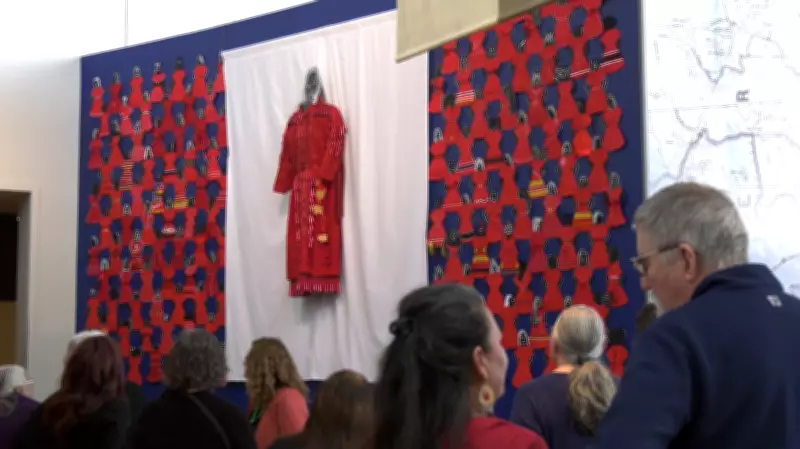
A significant and poignant exhibit dedicated to missing and murdered Indigenous women and girls (MMIWG) was officially unveiled at the RCMP Heritage Centre in Regina. This powerful installation serves as a solemn tribute to the countless Indigenous women and girls who have been lost, while also highlighting the urgent need for continued action and awareness.
A Call for Action and Remembrance
The exhibit, which opened to the public, features various elements designed to honor the memories of those affected by this national crisis. It includes personal stories, photographs, and artifacts that collectively underscore the profound impact of MMIWG on Indigenous communities across Canada. Organizers emphasize that the display is not merely a memorial but a call to action, urging visitors to reflect on the systemic issues and historical injustices that contribute to this ongoing tragedy.
The unveiling ceremony was attended by community leaders, family members of victims, and representatives from the RCMP. Speakers at the event stressed the importance of such exhibits in fostering education and dialogue, as well as in holding institutions accountable for their roles in addressing and preventing violence against Indigenous women and girls.

Context and Community Impact
This exhibit arrives at a critical time, as Canada continues to grapple with the recommendations from the National Inquiry into Missing and Murdered Indigenous Women and Girls. The RCMP Heritage Centre, located in Regina, Saskatchewan, provides a historically significant venue for this display, given the RCMP's involvement in many MMIWG cases and its complex relationship with Indigenous communities.
The exhibit aims to bridge gaps in understanding and promote reconciliation by humanizing the statistics and sharing the lived experiences of those affected. It also serves as a resource for schools, organizations, and the general public to learn about the MMIWG crisis in a respectful and impactful manner.
Broader Implications and Future Steps
Beyond the exhibit itself, this initiative is part of a larger movement to ensure that the stories of missing and murdered Indigenous women and girls are not forgotten. Advocates hope that it will inspire similar projects nationwide and encourage policymakers to implement more effective measures for protection and justice.
Key aspects of the exhibit include:
- Interactive displays that allow visitors to engage with the material on a personal level.
- Educational components that provide historical context and data on MMIWG.
- Spaces for reflection and healing, acknowledging the trauma experienced by families and communities.
As the exhibit opens its doors, it stands as a testament to resilience and a reminder of the work that remains to be done in addressing this urgent issue. The RCMP Heritage Centre plans to host related events and workshops to further support awareness and action in the coming months.