All Opposition Parties Rally Behind Proposed Indian Act Status Amendments
In a significant political development, all federal opposition parties have declared their support for proposed changes to the Indian Act's status provisions. The Liberal government, however, has stated it is not yet prepared to move forward with these amendments, highlighting a notable divide in parliamentary consensus on Indigenous affairs.
Unified Opposition Stance
The Conservative Party, New Democratic Party (NDP), Bloc Québécois, and Green Party have each voiced their backing for revisions to the Indian Act, which governs the legal recognition of First Nations individuals in Canada. This collective opposition support underscores a rare moment of cross-party agreement on a key Indigenous policy issue, with parties emphasizing the need to address longstanding inequities in status determination.
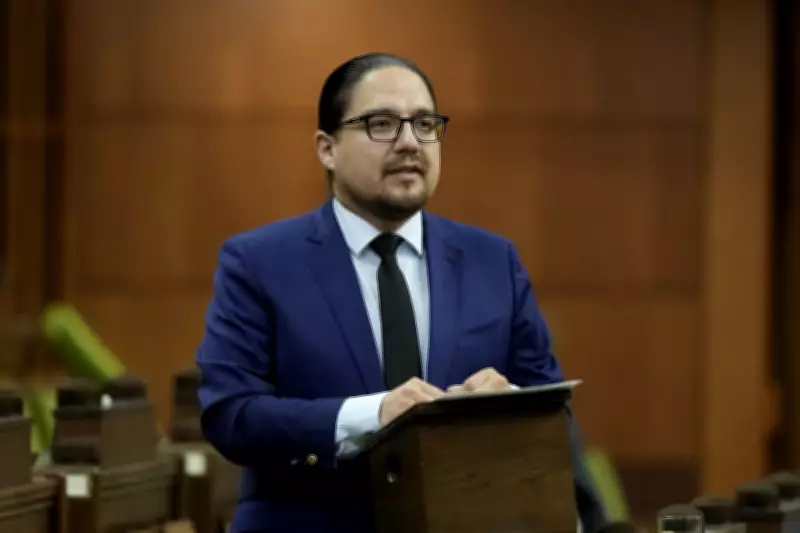
MP Billy Morin of Edmonton Northwest recently addressed the House of Commons, advocating for these changes and highlighting their importance for Indigenous communities. His remarks reflect growing parliamentary momentum to modernize the act, which has been criticized for its outdated and discriminatory provisions.

Liberal Government's Cautious Approach
Despite the opposition's unified position, the Liberal government has indicated it is not yet ready to implement the proposed amendments. Officials cite the need for further consultation with Indigenous leaders and communities to ensure any changes are comprehensive and effectively address the complex historical and legal nuances of status under the Indian Act.
This hesitation has sparked debate, with critics arguing that delays perpetuate systemic issues, while supporters of the government's approach stress the importance of getting the reforms right to avoid unintended consequences. The Liberals have pledged to continue discussions, but no timeline has been set for legislative action.
Broader Context and Implications
The Indian Act, first enacted in 1876, has been a focal point of Indigenous rights discussions for decades. Proposed changes often aim to remove discriminatory clauses and align the act with contemporary understandings of self-determination and equality. The current debate comes amid broader national efforts toward reconciliation, including initiatives to implement the United Nations Declaration on the Rights of Indigenous Peoples (UNDRIP).
As political negotiations continue, Indigenous advocates and community members are closely monitoring the situation, hoping for meaningful progress that respects their rights and identities. The outcome of this parliamentary dynamic could significantly impact future Indigenous policy and Canada's reconciliation journey.