First Nation in Sarnia Files Lawsuit Against INEOS Styrolution
A First Nation community located in Sarnia, Ontario, has taken legal action by filing a lawsuit against the chemical company INEOS Styrolution. The lawsuit, announced on April 16, 2026, alleges that the company's industrial operations have caused significant environmental damage and health risks to the Indigenous community and surrounding areas.
Details of the Legal Action
The lawsuit centers on claims that INEOS Styrolution's facilities in Sarnia have contributed to pollution and environmental degradation, impacting the First Nation's traditional lands, water sources, and public health. The community is seeking remedies that may include financial compensation, stricter environmental controls, and measures to mitigate ongoing harm. This legal move highlights growing tensions between industrial development and Indigenous rights in Canada, particularly in regions with heavy industrial activity like Sarnia's Chemical Valley.
Background and Context
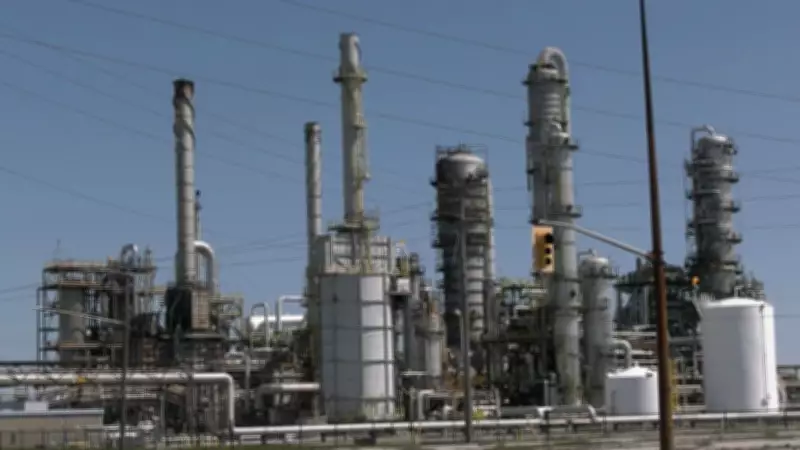
INEOS Styrolution, a major producer of styrene and polystyrene plastics, has operated in Sarnia for years, with its facilities visible in the area as of April 2024. The First Nation's decision to sue follows years of advocacy and concerns over air and water quality, which they argue have not been adequately addressed by regulatory bodies or the company. This case adds to a series of environmental lawsuits involving Indigenous groups across Canada, reflecting broader calls for corporate accountability and environmental justice.

Implications and Next Steps
The lawsuit could set a precedent for how industrial companies interact with First Nations communities in environmentally sensitive zones. Legal experts suggest that the outcome may influence future policies on pollution control and Indigenous consultation. As the case progresses, it is expected to draw attention from environmental activists, policymakers, and other Indigenous groups facing similar challenges. The First Nation has expressed hope that this action will lead to meaningful change and protection for their community and the local ecosystem.
Note: This article is based on reports from April 2026 and does not include updates beyond that date. The legal proceedings are ongoing, and further developments may arise as the case moves through the courts.