Saskatoon Tribal Council Chief Mark Arcand is demanding heightened accountability and transparency within the Federation of Sovereign Indigenous Nations as Indigenous Services Canada moves to recover $28.7 million in expenditures that were flagged as either ineligible or unsupported during a comprehensive forensic audit.
Audit Reveals Significant Financial Irregularities
The detailed audit, conducted by the international firm KPMG, meticulously examined FSIN's financial activities over a five-year period from April 1, 2019, to March 31, 2024. In a formal letter dated March 13, Indigenous Services Canada provided FSIN with an extensive list of costs that the department has determined to be either inadequately supported or entirely ineligible for federal funding.
Breakdown of Flagged Expenditures
The audit identified several major categories of problematic spending:

- $23.2 million in unsupported COVID-19 pandemic expenditures
- Nearly $2 million in administration fees deemed ineligible that were applied toward the construction of FSIN's new headquarters building and various economic development initiatives
- Approximately $1.4 million in fleet vehicle expenses categorized as either unsupported or ineligible
FSIN leadership has contested the auditor's interpretation regarding the permissible uses of administration fees, arguing that their application was justified and appropriate.
Conflicting Narratives and Internal Tensions
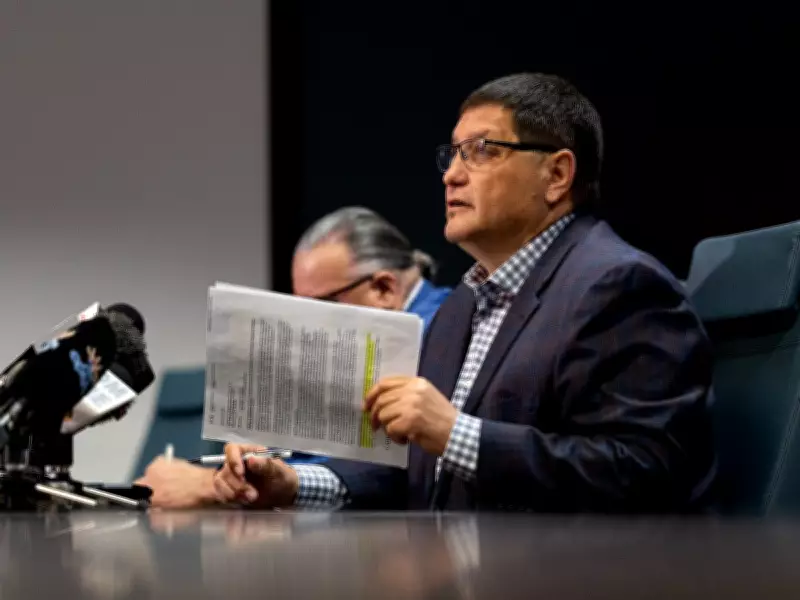
The financial dispute has exposed significant internal divisions within the organization. Tribal Chief Mark Arcand, who has served on FSIN's treasury board since 2013, publicly criticized what he described as "inconsistencies, no transparency and lack of accountability to the boards and commissions" during a Monday news conference.
In stark contrast, FSIN Chief Bobby Cameron has maintained that the organization has consistently operated in good faith. "The FSIN has been transparent, responsive, and accountable; our stewardship of funds exceed standard industry practices and are based on the best of western and traditional self-government practices," Cameron asserted in a March 24 statement.
Structural Concerns and Alleged Conflicts
Arcand raised serious concerns about FSIN's governance structure, emphasizing that the organization operates as a non-profit entity rather than a formal government. He highlighted what he perceives as a fundamental conflict of interest within FSIN's financial oversight mechanism.
According to a media release from the Saskatoon Tribal Council, the company FSI Inc. functions as the trustee for FSIN's finances, with its board consisting primarily of FSIN executives. "I call it a conflict of interest when the chief and the vice-chiefs are reporting to the board, which includes themselves," Arcand stated, adding that he has faced ostracism for asking difficult questions about financial practices.
Response to COVID-19 Spending Allegations
Regarding the substantial COVID-19 expenditures under scrutiny, FSIN defended its pandemic response efforts. The organization insisted that First Nations communities received necessary personal protective equipment and that auditors were provided with documentation demonstrating deliveries were completed.
"Our top priority when the COVID pandemic hit was to implement our inherent and treaty rights under the famine and pestilence clause," Cameron explained, referencing historical treaty provisions.
Immediate Deadline and Ongoing Dispute
Indigenous Services Canada has established a firm deadline of April 2 for FSIN to either dispute the audit calculations or provide a comprehensive response. The department's letter was subsequently shared publicly on Facebook by the Band Members Alliance and Advocacy Association of Canada, increasing transparency around the financial dispute.
Arcand revealed that while he approved some of the travel expenses now being questioned, he personally chose not to accept paid trips, demonstrating his commitment to fiscal responsibility amidst the growing controversy.