UN Indigenous Forum Grapples with Global Crises: War, Climate, and AI
The United Nations Permanent Forum on Indigenous Issues has convened its annual session, with delegates focusing on three interconnected global challenges that disproportionately affect indigenous populations: armed conflicts, climate change, and the rapid advancement of artificial intelligence. This year's forum brings together indigenous leaders, UN officials, and advocates to develop strategies for protecting indigenous rights and territories amid these escalating threats.
Armed Conflicts and Indigenous Displacement
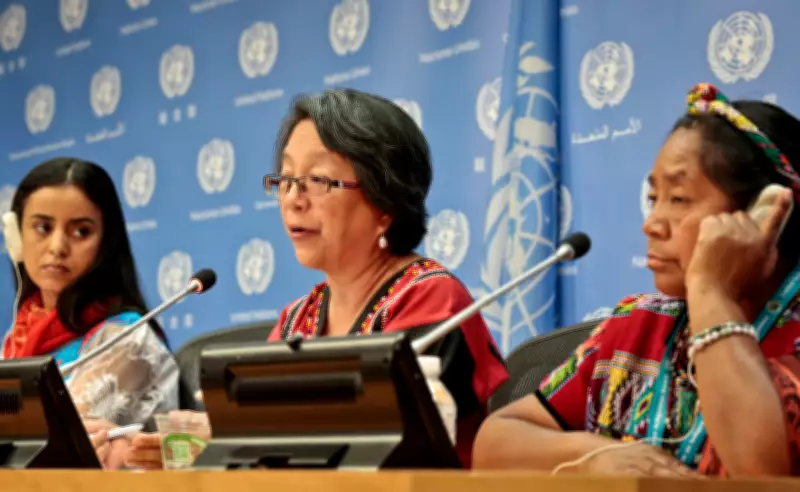
Forum participants highlighted how ongoing wars and military conflicts continue to displace indigenous communities from their ancestral lands, disrupt traditional livelihoods, and threaten cultural survival. Mariam Wallet Aboubakrine, vice-chair of the Permanent Forum, emphasized that indigenous peoples often become collateral damage in conflicts not of their making, facing violence, forced migration, and loss of sacred sites. The forum called for greater international recognition of indigenous sovereignty in conflict zones and improved mechanisms for humanitarian protection.
Climate Change Impacts on Traditional Territories
Climate change emerged as a central concern, with delegates documenting how environmental degradation directly threatens indigenous ways of life. Victoria Tauli Corpuz, UN Special Rapporteur on the Rights of Indigenous Peoples, noted that melting Arctic ice, deforestation, and extreme weather events are destroying ecosystems that indigenous communities have stewarded for generations. The forum emphasized that indigenous knowledge systems offer valuable solutions for climate adaptation and mitigation, yet these communities receive inadequate support and recognition in global climate negotiations.

Artificial Intelligence: New Threats to Cultural Integrity
A particularly urgent discussion focused on how artificial intelligence technologies might exacerbate existing inequalities. Delegates expressed concern about:
- AI systems potentially appropriating indigenous cultural expressions without consent
- Algorithmic bias in government services affecting indigenous communities
- Surveillance technologies threatening indigenous autonomy and privacy
- The digital divide limiting indigenous participation in AI governance
Rosalina Tuyuc, founder of the National Association of Guatemalan Widows, warned that without indigenous inclusion in AI development, these technologies could become new tools of marginalization rather than empowerment.
Building International Cooperation
The forum concluded with calls for strengthened international frameworks that recognize indigenous peoples as essential partners in addressing global challenges. Delegates advocated for:
- Formal inclusion of indigenous representatives in peace negotiations affecting their territories
- Direct funding for indigenous-led climate adaptation projects
- Ethical guidelines for AI development that respect indigenous data sovereignty
- Enhanced monitoring of human rights violations against indigenous communities
As the session concluded, participants emphasized that the survival of indigenous cultures is inextricably linked to global efforts to address warfare, environmental destruction, and technological disruption. The forum's recommendations will inform UN policy discussions throughout the coming year, with indigenous leaders vowing to maintain pressure for meaningful implementation of their proposals.