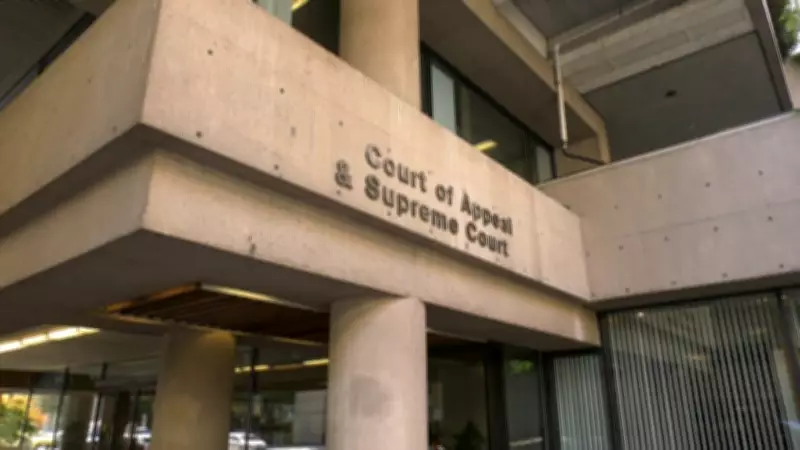
The British Columbia Court of Appeal has overturned the sexual assault and child pornography convictions of a man from the province, citing significant legal errors during the original trial. The decision, released on Tuesday, marks a major reversal in a case that has drawn attention from legal experts and child protection advocates.
Appeal Court Findings
In a unanimous ruling, a three-judge panel determined that the trial judge had made critical mistakes in instructing the jury and in admitting certain evidence. The court found that these errors undermined the fairness of the proceedings, leading to the convictions being set aside. The case has now been remanded for a new trial, with the appellant presumed innocent until proven otherwise.
Legal Implications
Legal analysts say the decision underscores the importance of proper jury instructions and the strict adherence to evidentiary rules in criminal cases. The Crown has not yet announced whether it will seek a new trial, but the appeal court's ruling leaves that option open. The accused, whose identity is protected under a publication ban, remains subject to court-ordered conditions pending further proceedings.

Background of the Case
The original trial took place in the B.C. Supreme Court, where the man was found guilty of multiple charges including sexual assault and possession of child pornography. The convictions carried a lengthy prison sentence, which has now been vacated. The appeal was launched shortly after the sentencing, with defense lawyers arguing that the trial was flawed from the outset.
Reactions
Victim advocacy groups have expressed disappointment with the ruling, emphasizing the challenges faced by survivors of sexual violence in the justice system. Meanwhile, defense counsel have welcomed the decision as a necessary correction of legal errors. The case continues to generate debate about the balance between victims' rights and the accused's right to a fair trial.
The B.C. Court of Appeal's decision is final, though the Crown may seek leave to appeal to the Supreme Court of Canada. For now, the matter returns to the lower court for further proceedings, with the legal community watching closely for its impact on similar cases.