Bowness Non-Profit Embezzlement Case Faces Further Delays as Accused Lack Lawyers
The legal proceedings against two individuals accused of embezzling funds from a Calgary non-profit organization have been postponed once again, primarily due to both defendants currently lacking legal representation. This ongoing delay underscores significant challenges within the judicial system, particularly concerning access to counsel for those facing serious charges.
Persistent Courtroom Setbacks
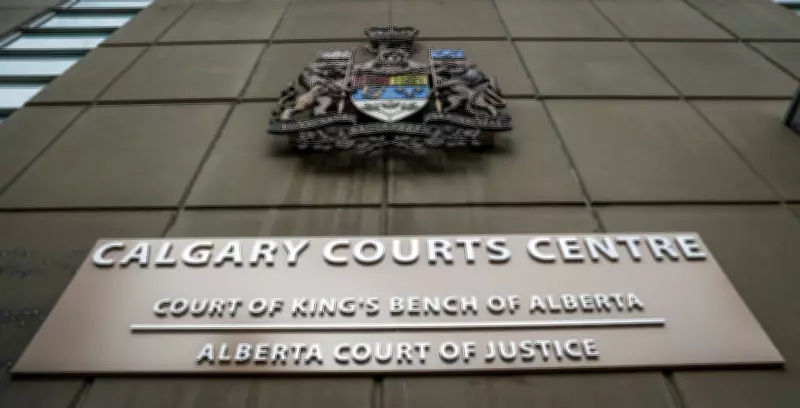
According to recent reports, the case involving the alleged bilking of the Bowness-based non-profit has encountered multiple adjournments. The absence of lawyers for the accused has been cited as a critical factor contributing to these continuances, preventing the matter from advancing through the courts in a timely manner. Legal experts note that such situations are not uncommon but can exacerbate backlogs and prolong the resolution of cases, impacting all parties involved.
Implications for the Non-Profit and Community
The non-profit at the center of this case, which serves the Bowness community in Calgary, has reportedly suffered financial losses due to the alleged embezzlement. These funds were intended to support various community programs and services, making the delay in justice particularly distressing for stakeholders. Community leaders have expressed frustration over the prolonged legal process, emphasizing the need for accountability and restitution to ensure the organization can continue its vital work.
Broader Systemic Issues
This case highlights broader systemic issues within the Canadian justice system, including:
- Access to Legal Aid: Many defendants struggle to secure affordable legal representation, leading to delays and potential miscarriages of justice.
- Court Backlogs: Cases like this contribute to growing dockets, straining judicial resources and delaying outcomes for other matters.
- Impact on Victims: Non-profits and other organizations face prolonged uncertainty and financial strain when legal proceedings drag on.
Legal analysts suggest that without adequate support for defendants to obtain counsel, such delays may become more frequent, calling for policy reforms to address these gaps.
Looking Ahead
As the case remains in limbo, authorities are urging the accused to secure legal representation to move forward. The next court date has yet to be scheduled, but stakeholders hope for a resolution that delivers justice and allows the non-profit to recover. This situation serves as a reminder of the complexities within the legal framework and the importance of ensuring equitable access to justice for all involved.