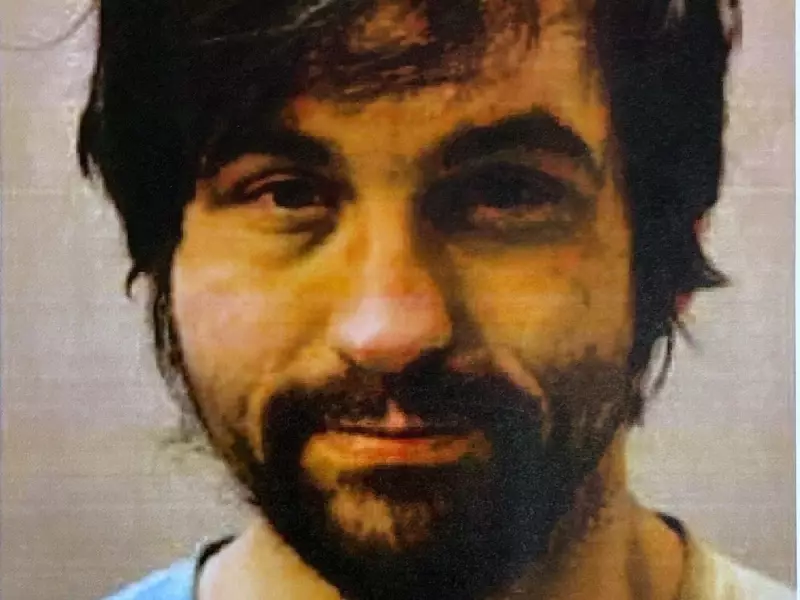
In a dramatic courtroom development, a Calgary murder suspect has admitted to being the shooter in the fatal killing of a homeless city man during what appears to have been a botched robbery attempt.
Courtroom Confession Changes Legal Strategy
Defence lawyer Rebecca Snukal made a significant concession during Friday's proceedings, telling Justice Lisa Silver that Robert Joseph Matthews was not only present during the September 9, 2023 killing of Jordan Jacques-Vetten, but actually fired the fatal shot. The admission fundamentally shifts the legal strategy as the case moves forward.
"The argument will not be that Mr. Matthews was not there and he was not the shooter," Snukal explicitly told the court. Instead, she indicated that the central legal issue will be whether the crime constitutes manslaughter or murder.

The Night of the Fatal Shooting
The tragic events unfolded when Matthews and a youth accomplice were driving around Calgary looking for someone to rob. They encountered Jacques-Vetten on a residential street in the city's northwest community of Capitol Hill.
According to previous testimony, the youth chased the victim onto the porch of a home where he had him cornered when a single gunshot rang out. Jacques-Vetten's body was discovered on the porch of the Capitol Hill residence on that September morning.
In a revealing text message sent after the incident, Matthews told his accomplice: "I didn't mean to, bro, I thought he was gonna hurt you." This communication may become crucial evidence as the court determines intent.
Legal Proceedings and Upcoming Timeline
The defence has indicated it will not call any evidence once Crown prosecutors Carla MacPhail and Don Couturier close their case, which is expected to happen next Wednesday following testimony from a digital forensic examiner specializing in cellular data analysis.
Snukal confirmed that Matthews will be in a position to make his evidentiary election and will not call evidence once the prosecution rests.
The youth accomplice, who was convicted of manslaughter last month, spent nearly four full days on the witness stand describing his relationship with Matthews and the events surrounding Jacques-Vetten's death. Although now 19, he cannot be identified under the Youth Criminal Justice Act because he was a minor at the time of the killing.
Final arguments in the case are not expected to be presented until March, indicating the complex legal battle ahead as the court determines whether Matthews' actions constitute murder or the lesser charge of manslaughter.