Congress Takes Historic Action on Epstein Documents
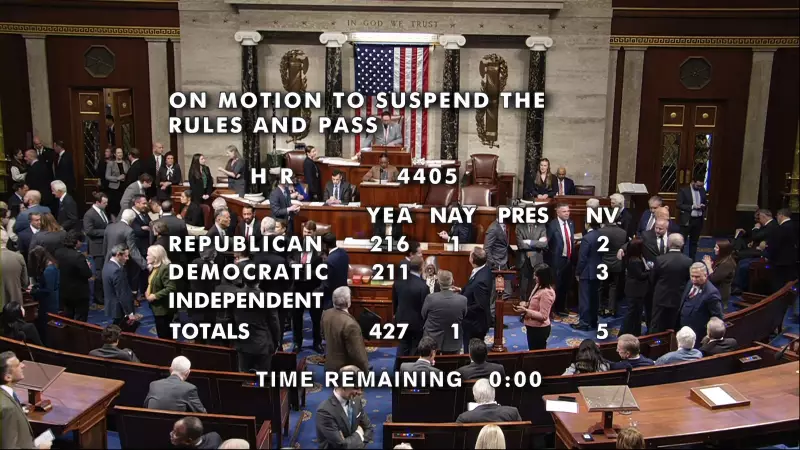
The United States House of Representatives has taken swift and decisive action to force the release of the long-contested Epstein files. In a remarkable display of bipartisan urgency, lawmakers passed a motion that compels the disclosure of documents related to the Jeffrey Epstein case, sending the legislation directly to the desk of former President Donald Trump.
The vote occurred on November 18, 2025, marking a significant moment in the ongoing pursuit of transparency surrounding one of the most high-profile cases in recent American history. The House action represents one of the most substantial moves toward public disclosure since Epstein's death in 2019.
Political Tensions Surface During Critical Vote
As Congress moved forward with the historic vote, tensions flared when former President Trump confronted a female reporter asking about the Epstein files. According to multiple sources, Trump told the journalist, "Quiet, piggy" when questioned about the impending document release.

The exchange highlights the charged atmosphere surrounding the Epstein case and the political implications of the document disclosure. The legislation now moves to Trump's desk amid growing public pressure for full transparency.
Legal Community Reacts to Congressional Action
Meanwhile, in the legal sphere, an attorney involved in the case has publicly called for the release of the Epstein files, describing the truth contained within as both "dangerous and scary" to certain individuals. This characterization underscores the potential impact the released documents could have on powerful figures implicated in Epstein's network.
The congressional action comes after years of legal battles and public speculation about the contents of the Epstein files. Privacy advocates and government transparency groups have praised the House's decisive move, while critics express concerns about potential unsubstantiated allegations that might surface.
What Comes Next in the Disclosure Process
With the bill now advancing through the legislative process, attention turns to the implementation timeline and the scope of documents that will ultimately become public. Legal experts suggest the release could occur in phases, with sensitive information potentially redacted to protect ongoing investigations or individual privacy rights.
The House vote represents a significant victory for victims' advocacy groups and journalists who have long sought complete disclosure of Epstein-related documents. The coming weeks are expected to bring further developments as the legislation moves toward potential enactment.