A legal proceeding in Nova Scotia is examining how Indigenous identity should factor into sentencing decisions, as a lawyer argues her client's Cree background must be considered in a prison hostage-taking case.
The Case Background
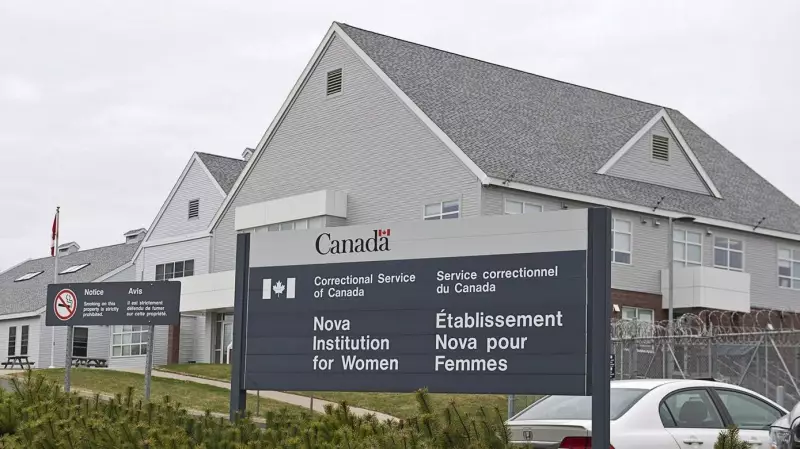
The proceedings involve an incident at the Nova Institution for Women in Truro, Nova Scotia, where hostage-taking charges have been brought forward. The case has drawn attention to the ongoing discussions about Indigenous representation within Canada's correctional system.
Defence counsel is making the argument that the court should give significant weight to the accused's Cree heritage and personal history when determining an appropriate sentence. This approach reflects growing legal recognition that background and systemic factors can play crucial roles in understanding criminal behavior.

Broader Legal Context
This case emerges amid increasing judicial awareness of the overrepresentation of Indigenous peoples in Canadian prisons. Recent years have seen more courts considering Gladue principles, which require judges to consider the unique circumstances of Indigenous offenders during sentencing.
The Nova Institution for Women, where the incident occurred, has been the subject of previous scrutiny regarding its treatment of Indigenous inmates. The facility, located in Truro, serves as one of Canada's federal correctional institutions for women and has faced questions about its ability to address the specific needs of Indigenous prisoners.
Legal Arguments and Implications
The defence lawyer's position emphasizes that sentencing should account for historical and systemic factors that may have contributed to the individual's circumstances. This includes considerations of intergenerational trauma, residential school impacts, and other colonial legacies that disproportionately affect Indigenous communities.
Legal experts following the case suggest the outcome could have implications for how courts across Canada approach sentencing for Indigenous offenders, particularly in cases involving institutional incidents. The decision may contribute to the evolving jurisprudence around restorative justice approaches for Indigenous peoples within the correctional system.
The case continues to unfold as the court weighs the complex intersection of criminal justice, Indigenous rights, and appropriate sentencing measures that acknowledge both accountability and the specific circumstances of Indigenous offenders.