Defence Seeks to Exclude Key Evidence in Ottawa Councillor's Impaired Driving Case
The legal team representing Ottawa councillor Matthew Luloff has filed a motion seeking to have key evidence excluded and impaired driving charges dismissed, citing alleged breaches of the Canadian Charter of Rights and Freedoms. The case, which has drawn significant attention in the nation's capital, centers on constitutional arguments that could have broader implications for how impaired driving investigations are conducted.
Constitutional Arguments Take Center Stage
Defence lawyers are arguing that evidence collected during the investigation should be deemed inadmissible due to what they claim were violations of Luloff's Charter rights. While specific details of the alleged breaches remain under court seal, such motions typically involve arguments about proper procedure during traffic stops, breathalyzer administration, or rights to counsel.
The case represents a significant legal challenge that goes beyond a simple impaired driving charge, potentially testing the boundaries of police procedure and individual rights in traffic enforcement situations. Legal experts note that successful Charter challenges in impaired driving cases can sometimes lead to evidence being excluded, even when that evidence might otherwise demonstrate impairment.

Councillor's Court Appearance and Political Context
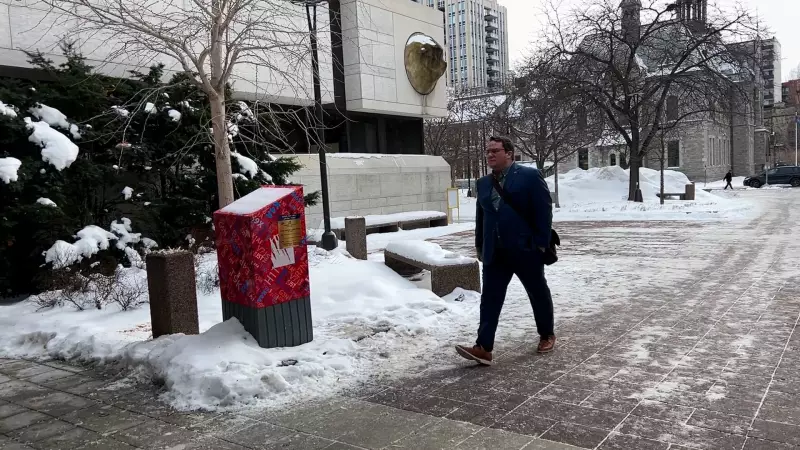
Councillor Matthew Luloff was photographed arriving at the Ottawa courthouse on January 21, 2026, as the legal proceedings began. The case unfolds against the backdrop of his political career, though the defence has emphasized that the motion focuses strictly on legal and constitutional questions rather than political considerations.
The timing of the case coincides with increased public scrutiny of impaired driving enforcement across Canada, particularly regarding technological advancements in testing and evolving legal standards for evidence collection. Municipal officials in Ottawa have generally refrained from commenting on the specifics of the case while it remains before the courts.
Potential Implications for Impaired Driving Prosecutions
Should the defence succeed in having evidence excluded based on Charter arguments, the prosecution's case could be significantly weakened, potentially leading to dismissal of charges. Such outcomes sometimes prompt reviews of police training and procedures to ensure compliance with constitutional requirements.
The case also highlights the complex interplay between individual rights and public safety concerns in impaired driving enforcement. As municipalities across Canada continue to address road safety issues, legal challenges like this one help define the parameters within which enforcement can operate while respecting constitutional protections.
The court is expected to hear detailed arguments from both prosecution and defence teams regarding the alleged Charter breaches and their potential impact on the admissibility of evidence. The outcome could establish important precedents for how similar cases are handled in Ottawa and potentially across Ontario.