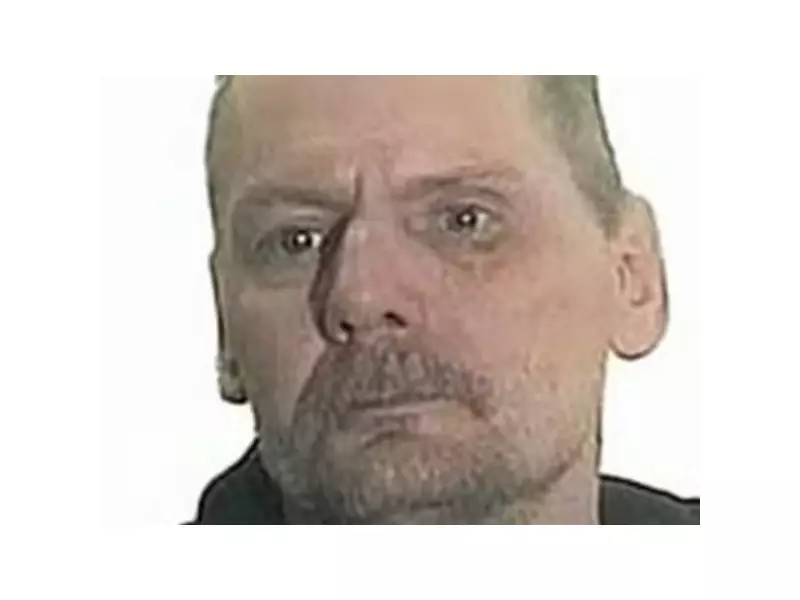
The release of convicted double killer Shawn Lamb has ignited anger and frustration across Winnipeg, particularly within Indigenous communities still grappling with the tragedy of missing and murdered Indigenous women and girls.
A Troubling Release
Shawn Lamb, now 66 years old, has been granted statutory release after serving two-thirds of his sentence for the manslaughter deaths of two Indigenous women. The decision by parole authorities has drawn sharp criticism from victims' families and community advocates who question the effectiveness of Canada's justice system.
Lamb pleaded guilty in 2013 to two counts of manslaughter for the deaths of Carolyn Sinclair, 25, and Lorna Blacksmith, 18. According to court documents, he struck Sinclair with an axe handle before strangling her, then separately strangled Blacksmith. Both victims' bodies were wrapped in plastic and discarded in back alleys.

Pattern of Violence Against Indigenous Women
The case takes on additional significance given Lamb's extensive criminal history spanning decades. Since 1979, Lamb has accumulated more than 100 criminal convictions, including sexual assault and robbery. His targets were consistently vulnerable Indigenous women.
Investigators also connected Lamb to the disappearance of Tanya Nepinak, though charges were stayed due to insufficient evidence. Police believe her body was disposed of in a garbage bin and ultimately taken to a landfill.
Melissa Robinson, a community activist, expressed shock at Lamb's release. "He's not throwing his life away," she told Canadian Press. "The thing is, those lives are gone. They're never to be returned again. So why should that person that took their lives walk free?"
Broader Systemic Issues
The case highlights ongoing concerns about how the justice system handles violence against Indigenous women. Amanda Sinclair, sister of victim Carolyn Sinclair, questioned the fairness of the sentence during the 2013 court proceedings.
Lamb successfully used his Indigenous background in his parole application, claiming to be a survivor of the '60s Scoop and detailing abuse suffered in his adoptive family. The parole board approved his release despite his violent history.
Robinson advocates for consecutive life sentences for anyone convicted of multiple homicides of Indigenous people, arguing that current sentencing practices fail to provide adequate deterrence or justice for victims' families.
The release of Shawn Lamb raises difficult questions about rehabilitation, justice, and the ongoing crisis of missing and murdered Indigenous women and girls that continues to affect communities across Canada.