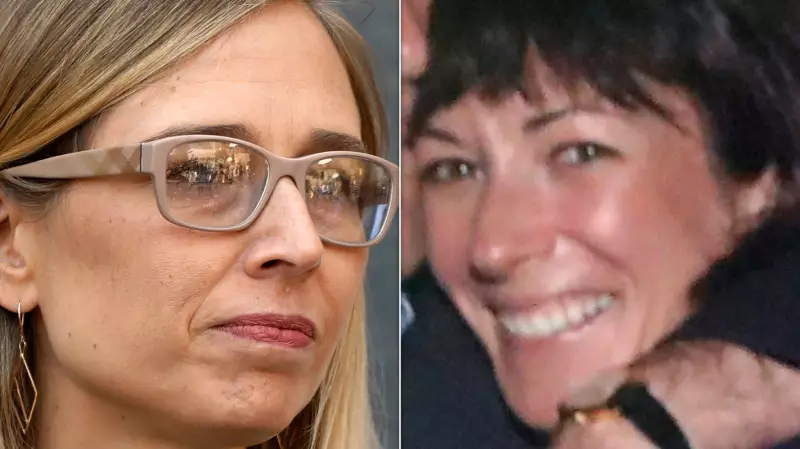
An outspoken victim of Jeffrey Epstein is raising serious concerns about the handling of his accomplice, Ghislaine Maxwell, who was quietly moved to a low-security prison and is reportedly receiving preferential treatment.
Victim's Outcry Over Prison Transfer
Annie Farmer, who testified against Maxwell during the 2021 trial, expressed her disgust upon learning about Maxwell's transfer and subsequent privileges. Maxwell was moved to a minimum-security prison in Bryan, Texas, during the summer, shortly after cooperating with the Department of Justice regarding President Donald Trump's relationship with Epstein.
During her discussions with the DOJ, Maxwell stated she "never witnessed" Trump "in any inappropriate setting in any way." Farmer told CNN's Kaitlan Collins that the news of Maxwell's comfortable conditions left her feeling sickened, a sentiment she believes is shared by many Americans.

Allegations of Special Treatment Behind Bars
According to sources familiar with the situation, Maxwell's life in prison is far from standard. She is allegedly granted special privileges, including an unlimited supply of toilet paper, her own private cell where meals are delivered, and exclusive use of a chaplain's office for meetings outside of normal visitation hours.
Farmer questioned the rationale for this leniency, suggesting it could be due to "someone she knows or something she knows" that is enabling this exceptional treatment. She revealed that she had initially reached out to the DOJ and Deputy Attorney General Todd Blanche with her concerns but received no response, a silence she finds "very telling."
Political Repercussions and Demands for Transparency
The victim's remarks coincide with Democrats on the House Oversight Committee releasing thousands of documents from Epstein's estate, which contained emails suggesting Trump was aware of the sex trafficking operation.
In response to the controversy, Blanche defended Maxwell's transfer on X (formerly Twitter), claiming that law enforcement did not have access to materials that Epstein's estate had hidden for years, which were only recently provided to Congress.
In a significant political move, Rep. Adelita Grijalva (D-Ariz.) provided the final signature on a discharge petition that will force the House to vote on a bill requiring the DOJ to create a public, searchable database of its Epstein investigatory files. This measure would still need Senate approval and would have to avoid a potential veto by Trump.
Farmer is now urging Republicans who might vote against the bill to consider the victims, emphasizing that "the American people want transparency." She framed the issue as crucial for survivors seeking answers about why powerful individuals were permitted to harm so many young people for so long.