Former Militia Leader Protests Trial with Hunger Strike
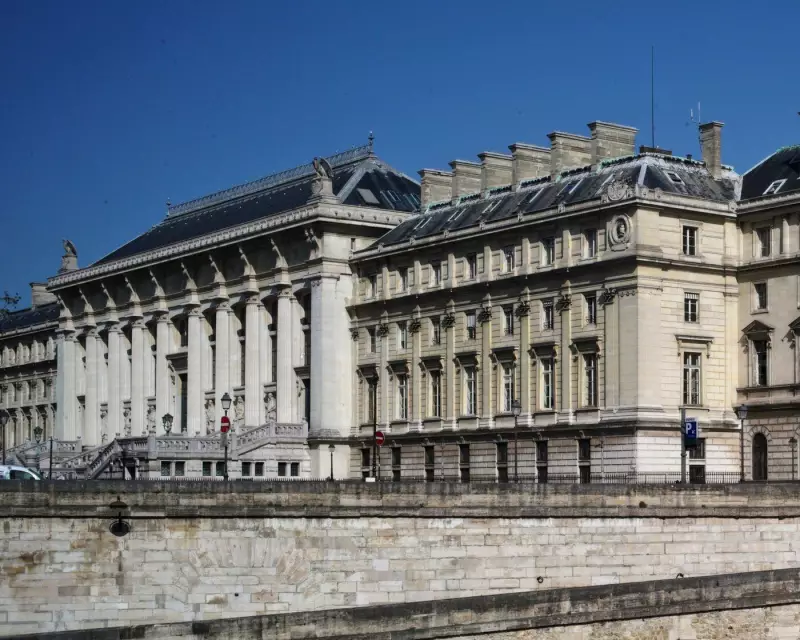
A former Congolese rebel leader standing trial for war crimes in Paris has initiated a hunger strike, according to reports from the French capital. The defendant, Roger Lumbala, made his dramatic protest as proceedings continued at the Palais de Justice courthouse in central Paris.
The trial represents a significant moment for international justice, marking one of the few times a foreign military leader has faced prosecution in French courts for atrocities committed abroad. Lumbala stands accused of multiple war crimes during his time as leader of the Congolese militia group.
Background of the Case and Allegations
Roger Lumbala, who led the Congolese Rally for Democracy-National (RCD-N) during the Second Congo War, faces charges including murder, torture, and recruitment of child soldiers. The alleged crimes occurred between 2002 and 2003 in the Democratic Republic of Congo's northeastern regions.

French authorities arrested Lumbala in 2021 after he entered France using what prosecutors claim was a fraudulent passport. France has jurisdiction over the case under the principle of universal jurisdiction, which allows countries to prosecute severe international crimes regardless of where they were committed.
The trial began earlier this month and has featured testimony from survivors and expert witnesses detailing the brutal conflict that claimed millions of lives through violence, disease, and starvation.
International Reaction and Legal Implications
The hunger strike began on November 14, 2025, according to sources close to the proceedings. Lumbala's defense team has not commented publicly on their client's decision to refuse food, though court officials confirm medical personnel are monitoring his condition.
Human rights organizations have closely watched the case, viewing it as a test of Western countries' commitment to holding war criminals accountable. This trial sends a powerful message that perpetrators cannot escape justice by fleeing their home countries, noted one representative from Human Rights Watch.
The proceedings continue amid heightened security at the historic courthouse, which previously operated under COVID-19 restrictions during the pandemic. The case is expected to continue for several weeks, with verdict anticipated early next year.