Forensic Psychiatrists Present Conflicting Testimony in Vancouver Starbucks Stabbing Trial
In a dramatic courtroom scene in Vancouver, forensic psychiatrists offered starkly opposing expert opinions during the trial of a fatal Starbucks stabbing incident. The case, which has drawn significant public attention, centers on the mental state and criminal responsibility of the accused individual.
Duelling Psychiatric Assessments
One forensic psychiatrist testified that the defendant exhibited clear signs of a severe mental disorder at the time of the alleged offense, which could significantly impact their legal culpability. This expert argued that the individual's actions were driven by psychotic symptoms, including delusions and impaired reality testing, which may meet the criteria for a defense of not criminally responsible due to mental disorder.
In contrast, another forensic psychiatrist presented a conflicting assessment, stating that while the accused had some mental health challenges, they did not rise to the level of absolving criminal responsibility. This expert contended that the defendant retained the capacity to understand the nature and consequences of their actions and to conform their behavior to the law, despite any psychological distress.

Background of the Case
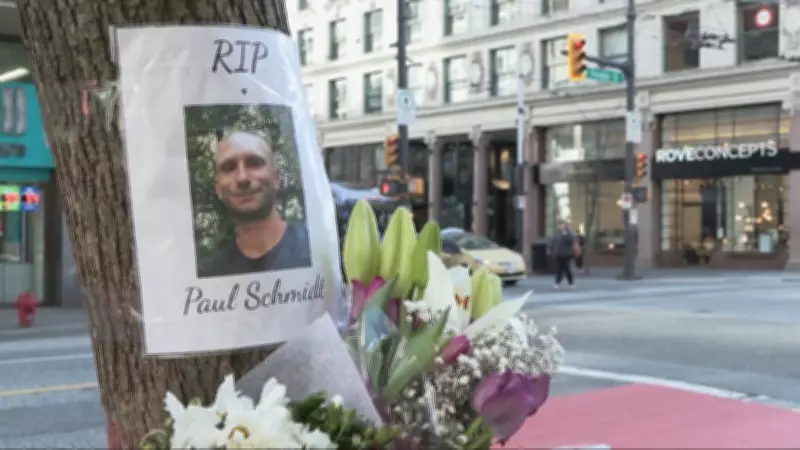
The trial involves a stabbing incident that occurred at a Starbucks location in downtown Vancouver, resulting in the death of Paul Schmidt. A memorial for Schmidt has been established at the site, reflecting the community's grief and the case's emotional impact. The proceedings are part of a broader legal examination of how mental health factors intersect with criminal justice, particularly in violent offenses.
These duelling psychiatric opinions are critical as the jury deliberates on the defendant's guilt and potential sentencing. The conflicting testimony underscores the challenges in forensic evaluations, where subjective interpretations of mental state can lead to divergent conclusions, influencing legal outcomes significantly.
Implications for Criminal Justice
This case highlights the ongoing debate within the legal and medical communities regarding the assessment of criminal responsibility in individuals with mental health issues. Forensic psychiatrists play a pivotal role in such trials, providing expert insights that can sway jury decisions and affect the application of justice.
The trial continues as both sides present additional evidence and arguments, with the outcome likely to set a precedent for similar cases in the future. The community and legal observers await the jury's verdict, which will determine the fate of the accused and potentially influence policies on mental health and criminal law in Canada.