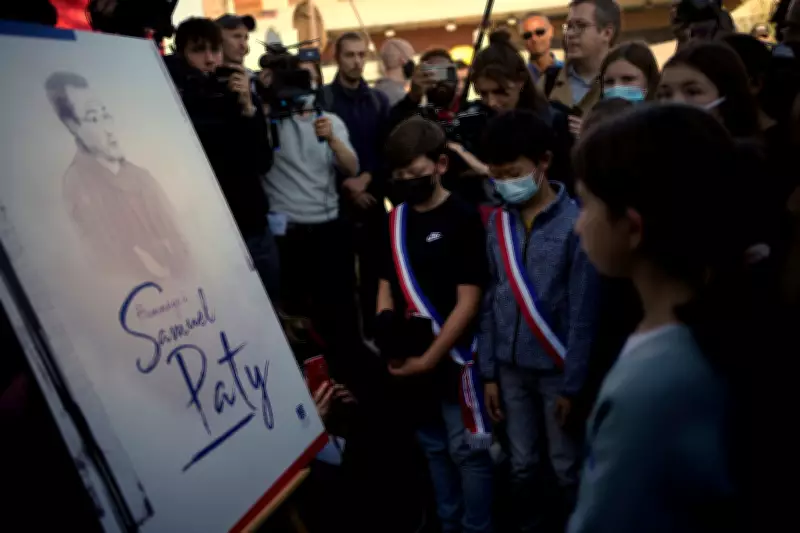
French Appeals Court Reduces Prison Sentences in Samuel Paty Beheading Case
A French appeals court has made a controversial decision to significantly reduce the prison sentences for three individuals convicted in connection with the horrific 2020 beheading of history and geography teacher Samuel Paty. The ruling has reignited intense public debate about justice, extremism, and the protection of educators in France.
Details of the Sentence Reductions
The court slashed the jail terms for the trio, who were found guilty of various charges related to the terrorist attack that shocked the nation. While the original sentences reflected the gravity of their involvement in the events leading to Paty's murder, the appeals court determined that reductions were warranted based on legal considerations and procedural aspects of the case.
The attack occurred in October 2020 when Samuel Paty was brutally murdered near his school in Conflans-Sainte-Honorine, a suburb northwest of Paris. The teacher had shown caricatures of the Prophet Muhammad during a class discussion about freedom of expression, which prompted threats and ultimately led to his targeted killing by an extremist.

Context and National Impact
Samuel Paty's murder became a defining moment in France's ongoing struggle against religious extremism and its commitment to secular values. The case highlighted the vulnerabilities faced by educators who tackle sensitive topics in the classroom and sparked nationwide demonstrations in support of freedom of expression.
The appeals court's decision comes nearly six years after the attack, as France continues to grapple with the aftermath of this tragedy and similar incidents targeting those who exercise free speech. Legal experts note that sentence reductions in terrorism-related cases are not uncommon in French appeals courts, which often review the proportionality of punishments relative to individual culpability.
Broader Implications
The ruling has prompted mixed reactions across French society:
- Some legal analysts argue the reductions reflect proper judicial review of sentencing guidelines
- Victims' rights advocates express concern about the message sent regarding terrorism convictions
- Education unions emphasize the need for stronger protections for teachers
- Government officials reaffirm their commitment to combating extremism while respecting judicial independence
This development occurs against a backdrop of ongoing security challenges in France, where authorities continue to monitor and disrupt extremist networks. The case remains a painful reminder of the complex intersection between education, free expression, and security in contemporary French society.