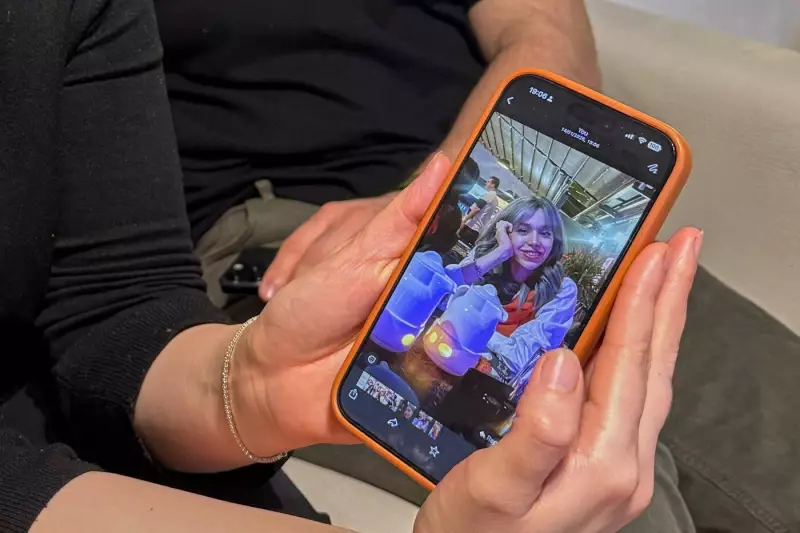
The harrowing ordeal faced by families of protesters killed in Iran's political unrest has been brought into sharp focus by a relative's account from Oslo. Hali Norei, alongside her partner Nezar Minoei, detailed the desperate search for her 23-year-old niece, Robina Aminian, a university student who lost her life during the demonstrations.
A Desperate Search Among the Lost
In a chilling revelation, Norei described how Aminian's family was forced to search through a pile of corpses to locate her body after she was killed. The authorities had placed the remains of multiple deceased protesters together, leaving families to undertake the grim task of identification themselves. This act underscores the chaotic and oppressive environment surrounding the state's response to the protest movement.
The family's nightmare did not end with identification. Fearing further repercussions from Iranian authorities and denied a proper burial, they made the agonizing decision to inter Robina Aminian on a roadside. This clandestine burial highlights the extreme measures families must take to mourn their loved ones while navigating a climate of fear and state intimidation.

A Life Cut Short by Protest
Robina Aminian was a young university student whose life was abruptly ended during the widespread protests in Iran. Her story, shared by her aunt from the relative safety of Norway, paints a vivid picture of the personal tragedies behind the headlines of political upheaval. The interview, given on Wednesday, January 14, 2025, in Oslo, serves as a poignant testament to the ongoing human rights concerns within the country.
The account provided by Hali Norei and Nezar Minoei adds a deeply personal layer to the international understanding of the crackdown. It moves beyond statistics and into the realm of raw human experience—of loss, desperation, and the brutal realities faced by those who dare to dissent.
Implications for the Diaspora and Beyond
This narrative resonates strongly with the Iranian diaspora in Canada and worldwide, for whom stories of repression and loss are deeply personal. It reinforces the ongoing calls for accountability and human rights scrutiny directed at the Iranian government. The act of burying a loved one on a roadside, a direct result of state pressure, stands as a powerful symbol of resistance and the enduring will to remember.
The testimony from Oslo ensures that Robina Aminian's name and story are not forgotten. It challenges international audiences to look beyond geopolitical analyses and recognize the profound individual suffering embedded within Iran's political crisis. For communities in Canada with ties to Iran, such stories underscore the importance of advocacy and the need for continued global attention on the situation.