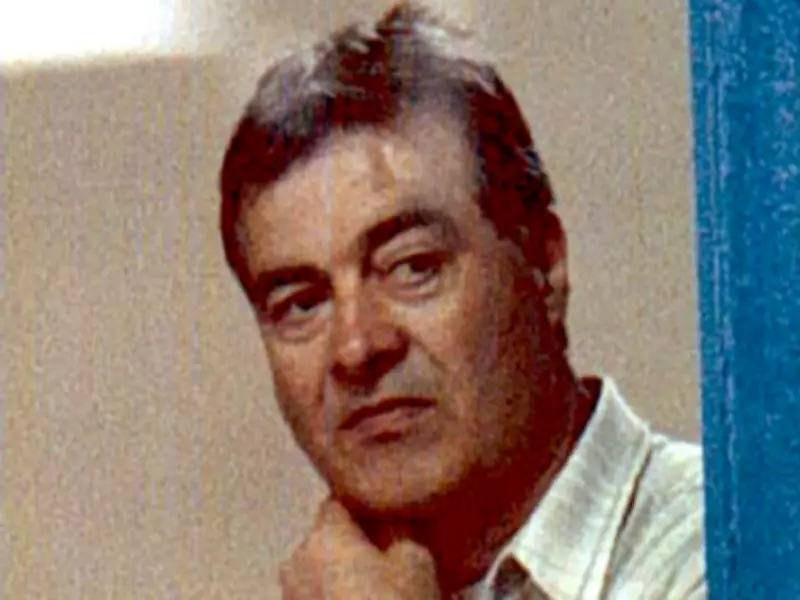
Benedetto "Nitto" Santapaola, one of Italy's most infamous Mafia bosses, has passed away while incarcerated at the age of 87. His death marks the end of a notorious criminal career that spanned decades and involved some of the country's most violent attacks on the justice system.
Santapaola's Criminal Legacy and High-Profile Convictions
Santapaola is widely believed to have masterminded the murder of Giovanni Falcone, a prominent anti-Mafia prosecutor, in 1992. This car bombing, known as the Capaci massacre, also claimed the lives of Falcone's wife and three police officers. Weeks later, another anti-Mafia judge, Paolo Borsellino, was killed in a similar attack, with Santapaola later implicated in both incidents.
After evading capture for years, Santapaola was arrested in 1993 at a Sicilian farmhouse. In 2006, he received a life sentence for his role in the Falcone and Borsellino murders, as reported by the BBC. Prior to this, he had been convicted for other violent crimes, including the murder of journalist Pippo Fava in 1984 and the killing of mobster Alfio Ferlito and three police officers in 1982.
Rise Through the Mafia Ranks and Notorious Nickname
Santapaola first ascended the ranks of the Sicilian Mafia in the 1970s in the city of Catania. He earned the nickname "il cacciatore," meaning "the hunter," due to his ruthless tactics and involvement in numerous assassinations. His criminal activities were part of a broader wave of Mafia violence that targeted law enforcement and judicial figures in Italy.
Strict Prison Conditions and Final Days
During his imprisonment, Santapaola was held under the stringent 41-bis regime, a set of security measures designed to isolate Mafia bosses from other inmates and the outside world. This regime was implemented after the murders of Falcone and Borsellino to prevent incarcerated mobsters from orchestrating further crimes.
In his final days, Santapaola's health deteriorated, leading to his transfer from Milan's Opera prison to the medical department of San Paolo hospital in Milan, where he ultimately died. His death closes a chapter on one of Italy's most feared criminal figures, whose actions left a lasting impact on the nation's fight against organized crime.