Outrage Follows Release of Convicted Killer
The Canadian justice system is facing renewed calls for reform after the controversial release of a man convicted of killing two Indigenous women. The decision has sparked outrage among families and advocates who argue the system continues to fail Indigenous communities.
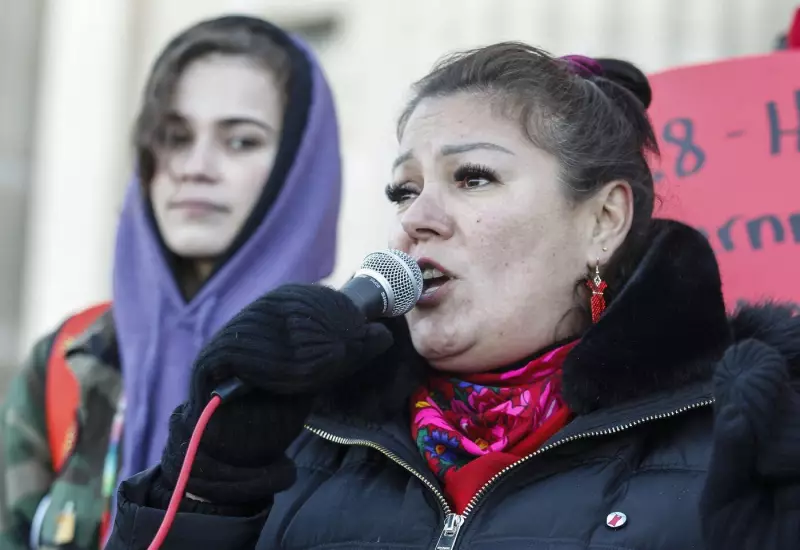
Cambria Harris, daughter of victim Morgan Harris, stood alongside family members and supporters during emotional protests at the Manitoba Legislature in Winnipeg. The rally, held on March 8, 2024, originally focused on government delays in searching landfills for missing Indigenous women but has taken on new significance following the recent release.
Families Demand Accountability
Melissa Robinson, cousin of Morgan Harris, addressed the crowd of family members and supporters, emphasizing the ongoing trauma experienced by Indigenous families. The release of the convicted killer has reignited concerns about how the justice system treats cases involving Indigenous victims.

The case highlights what many describe as systemic failures in protecting Indigenous women and providing adequate justice for victims' families. Advocates point to this situation as evidence that meaningful reform is urgently needed within Canada's justice framework.
Broader Context of Indigenous Justice Concerns
This incident occurs against the backdrop of longstanding concerns about how the justice system handles cases involving Indigenous peoples. The release has prompted discussions about sentencing patterns, parole decisions, and the need for culturally appropriate justice approaches.
Community leaders and organizations are calling for comprehensive reviews of how cases involving violence against Indigenous women are processed and adjudicated. They emphasize that without substantial changes to the system, similar situations will continue to occur, perpetuating cycles of trauma and injustice.
The controversy has drawn attention to the need for greater Indigenous representation within the justice system and more community-based approaches to addressing crime and rehabilitation.