The fatal shooting of a 37-year-old woman by a U.S. Immigration and Customs Enforcement (ICE) agent during an operation in Minneapolis has ignited a firestorm of legal and political questions, with the central issue being whether the federal officer can face criminal prosecution under state law.
The Incident and Immediate Fallout
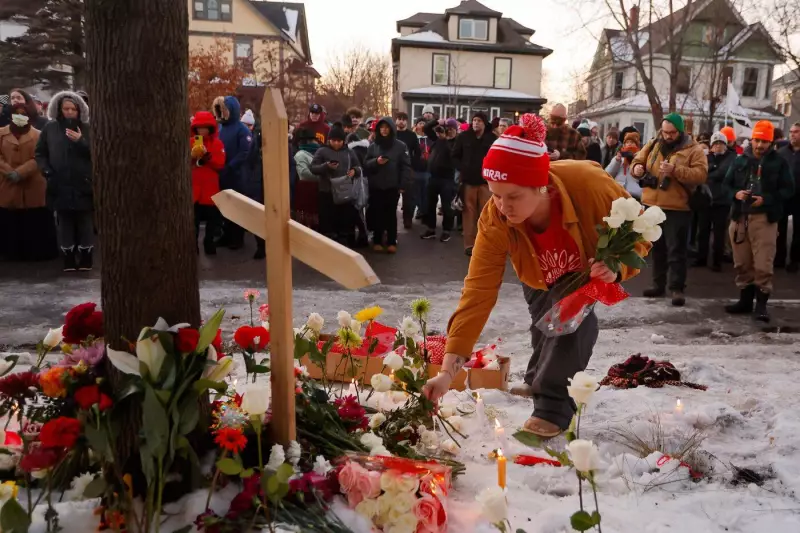
The shooting occurred on January 8, 2026, during an ICE operation, details of which remain under investigation. The death of the woman, whose identity has not been publicly released, prompted immediate and fierce reactions from local leaders. Minneapolis Mayor Jacob Frey was quoted in a warning with the blunt message: "Get the f*** out of Minneapolis," directing his anger at the federal immigration agency.
Minnesota Governor Tim Walz echoed the public sentiment, stating, "I feel your anger. I'm angry." The incident, which involved a traffic stop, was analyzed by a retired FBI agent who broke down the potential sequence of events, though authorities caution that "we don't have a clear picture of exactly what transpired," as noted by a security expert.

The Thorny Path to Prosecution
The core legal dilemma revolves around jurisdiction and immunity. ICE agents are federal officers with authority to enforce immigration laws. This status often complicates, and can potentially shield them from, prosecution in state courts for actions taken in the line of duty. The question of how the shooting will be reviewed is now paramount.
Typically, such incidents involving federal agents trigger an internal investigation by the agency's Office of Professional Responsibility. However, the Minnesota Bureau of Criminal Apprehension (BCA) could also conduct a parallel investigation. For state charges to be filed, county prosecutors would need to establish that the agent's actions exceeded the bounds of their federal authority or constituted a criminal act under state law, such as manslaughter or murder.
Legal precedents and the doctrine of federal supremacy present significant hurdles. A successful state prosecution would require clear evidence that the agent violated the woman's constitutional rights or acted with criminal intent beyond the scope of their official duties.
Broader Implications and Ongoing Scrutiny
The case has intensified the ongoing national debate over the role and conduct of federal immigration enforcement in local communities, particularly in cities that have sometimes adopted sanctuary-like policies. The promised review of the deadly shooting will be scrutinized not just for its legal conclusions, but for its transparency and ability to satisfy a grieving and angry community.
As Minneapolis and the state of Minnesota await answers, the incident stands as a stark example of the complex interplay between federal power, local sovereignty, and accountability in law enforcement. The outcome will set a critical precedent for how similar cases are handled in the future across Canada and the United States.