Military Draft Proposal Sparks Debate on Youth Crime and Consequences
In a provocative discussion about juvenile justice, some are suggesting that military service could serve as a powerful deterrent for young criminals in Canada. The idea emerges as the United States moves forward with plans to automatically register eligible men for the military draft, reigniting conversations about compulsory service and its societal impacts.
The Current State of Youth Crime
For many young offenders in Canada, the consequences of criminal activity are often perceived as minimal. Older gang members frequently recruit teenagers to carry out dangerous tasks, such as drug-related violence or contract killings. Even when these youths are apprehended, the penalties can be surprisingly lenient—often resulting in brief stints in juvenile detention followed by a return to the streets, where they may be celebrated as heroes.
"These kids, these bad seeds, they need structure and sad to say, but maybe three strikes and it's two years in the military," remarked one commentator during a recent conversation at a Toronto pub. This perspective highlights a growing frustration with the current system and a desire for more meaningful consequences.

Historical Precedents and Personal Stories
The concept of military service as an alternative to incarceration is not entirely new. During the Korean War, some Canadian judges offered young offenders a choice: serve time in juvenile detention or serve their country in the military. One notable case involved a man from Niagara who was caught stealing cars; he opted for military service and went on to have a successful career in the armed forces after surviving combat in Korea.
Canada last implemented conscription during the latter stages of the Second World War, when manpower shortages became critical after years of intense conflict. In the United States, the draft was a contentious issue during the Vietnam War era, ultimately ending in 1973 amid widespread public dissent.
U.S. Moves Toward Automatic Draft Registration
Recently, the United States has proposed a significant change to its draft system. The Selective Service System (SSS) has submitted a rule to automatically register eligible men for the military draft, with implementation potentially beginning as early as December. Currently, most males aged 18 to 25 are required to register with the SSS, and failure to do so is a felony punishable by fines up to $250,000 and five years in prison.
Non-registrants also face additional penalties, including denial of government jobs, student loans, and U.S. citizenship for immigrants. While the current administration has stated that a military draft is "not part of the current plan," the proposed automatic registration has sparked renewed debate about the role of compulsory service.
The Vietnam War Draft and Societal Divisions
The draft during the Vietnam War era exposed deep societal divisions in the United States. Working-class and poor Americans often served or were drafted, while many from wealthy backgrounds used college deferments, medical exemptions, or other means to avoid combat. This disparity fueled public outrage and led to the introduction of a draft lottery in 1969, which aimed to create a fairer selection process based on random birth dates.
"When the boys of the wealthy and powerful start getting called upon to fight in a pointless, far away war... well, the war ends pretty quickly," observed one analyst, noting how broader societal engagement can influence military policy.
Potential Benefits of Military Service for Offenders
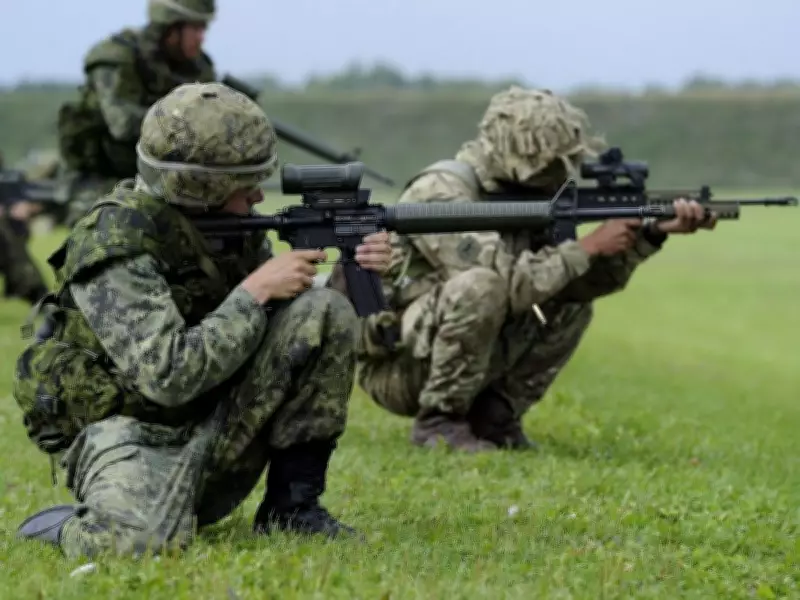
Proponents of using military service as an alternative for young offenders argue that it could provide structure, discipline, and valuable life skills. Instead of continuing a downward spiral toward prison or early death, these individuals might learn responsibility and gain a sense of purpose. Additionally, they would have the opportunity to engage in training activities, such as firearms practice and tactical exercises, which could channel their energy in a positive direction.
Critics, however, raise concerns about forcing individuals into military roles and the ethical implications of such a policy. The debate continues as societies grapple with balancing punishment, rehabilitation, and national service.