Military Draft for Young Criminals: A Controversial Proposal Questioned
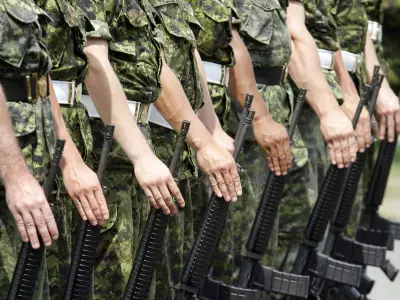
A recent suggestion to implement forced military service for young criminals has sparked significant debate and criticism. In a letter to the editor, a reader questions the wisdom of this proposal, originally put forward in a column titled "Military draft could scare young criminals straight." The core concern revolves around whether training these individuals in military tactics, weapons proficiency, and hand-to-hand combat would ultimately benefit society or create more adept and dangerous offenders.
The Risks of Military Training for Offenders
The letter writer expresses apprehension about transforming what are described as "Junior Al Capones" into skilled snipers and combatants. Currently, many young criminals lack precision and discipline, but military service could provide them with advanced skills that might be misused upon their return to civilian life. This prospect is deemed "dicey at best," raising alarms about public safety and the potential for increased violence on the streets.
Instead of military draft, the author advocates for a stricter judicial approach. They propose trying serious young offenders as mature adults, imposing stiff sentences unless they cooperate by revealing the adults who recruited them. This method aims to dismantle criminal networks by incentivizing information sharing, thereby targeting the masterminds behind youth crime.

Addressing the Root Causes of Youth Crime
The letter highlights how criminals often lure children into illegal activities by exploiting the lenient sentencing for young offenders. With minimal incarceration times, such as three to five years for murder in juvenile facilities, there is little deterrent. The writer argues that imposing longer sentences, like 20 years for murder, could encourage some youths to "flip" for leniency, helping authorities apprehend the organizers of violence.
This approach not only aims to punish but also to rehabilitate. By facing severe consequences, young offenders might be motivated to turn their lives around, whereas the current system's lack of accountability fails to deter criminal behavior. The absence of meaningful repercussions for violent actions perpetuates a cycle of crime among youth.
Counterarguments and Broader Context
In response, another perspective is briefly noted, suggesting that military service could offer structure and discipline, potentially diverting youths from criminal paths and reducing recidivism after service. However, this view is presented as a minority counterpoint within the discussion.
The letter also touches on a related issue in a separate comment, criticizing Canada's justice system by comparing it to a U.S. incident where a school principal tackled a gunman. The implication is that in Canada, such a hero might face legal challenges, underscoring broader concerns about judicial leniency and public safety.
Overall, the debate emphasizes the need for effective crime prevention strategies that balance punishment with rehabilitation, without inadvertently creating more skilled criminals through military training.