Minnesota $250 Million Fraud Mastermind Faces Decades in Prison
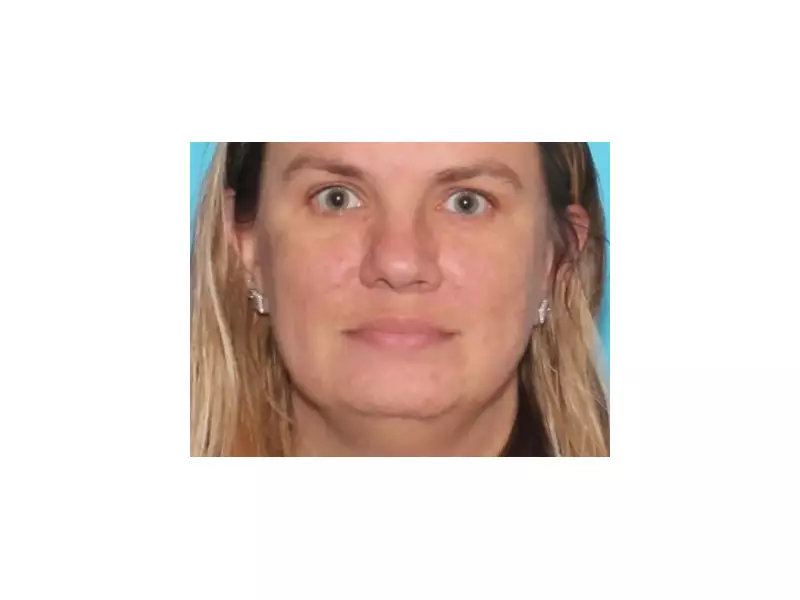
Aimee Bock, the 45-year-old convicted mastermind behind a staggering US$250 million fraud scheme in Minnesota, is now facing 33 years in federal prison. In her first interview since conviction, Bock lamented that she has "lost everything" while attempting to shift blame onto state officials who she claims enabled the massive fraud operation.
Feeding Our Future Nonprofit Became Fraud Vehicle
The industrial-scale fraud centered around Feeding Our Future, a nonprofit organization that Bock led. What began as a legitimate meal program for children during the pandemic quickly transformed into one of the largest fraud schemes in Minnesota history. The organization's meal claims exploded from $3.4 million in 2019 to nearly $200 million in 2021, raising immediate red flags with investigators.
According to court documents and Department of Justice statements, Bock oversaw a criminal network of fraudsters who exploited pandemic-era meal program waivers. The scheme involved submitting false claims for meals that were never served to children, with the proceeds funding lavish lifestyles rather than feeding hungry families.

Lavish Lifestyle Funded by Fraudulent Gains
The fraudulent proceeds financed an extravagant lifestyle for Bock and her co-conspirators. Evidence presented during the trial revealed that the stolen funds paid for international trips, luxury vehicles, worldwide properties, and designer handbags. Despite Bock's claims of minimal personal gain, a federal judge has ordered her to forfeit more than $5 million in proceeds directly linked to the scam.
"They found minimal jewelry," Bock told CBS News regarding a 2022 FBI raid on her mansion. "I believe it was like two pairs of earrings, a bracelet, a watch. There was some cash there." This statement contrasts sharply with the prosecution's evidence of widespread financial misconduct.
Political Connections and Congressional Involvement
The fraud scheme operated within a politically charged environment. The scammers took advantage of legislation co-signed by Representative Ilhan Omar (D-Minnesota) that waived certain requirements for school meal programs during the pandemic. The MEALS Act, introduced in 2020, granted the USDA flexibility that fraudsters exploited for their scheme.
Omar has repeatedly denied any knowledge of the fraudulent activities occurring within the meal programs she supported. Meanwhile, Minnesota Governor Tim Walz has accused the Trump administration of "politicizing the issue" as federal investigations intensified.
Widespread Crackdown and Multiple Convictions
The sheer scale of the Minnesota fraud prompted a widespread federal crackdown. According to the U.S. Department of Justice, prosecutors have so far convicted 57 people and charged 78 defendants related to the Feeding Our Future scandal. Notably, all convicted individuals except Bock were of Somali or East African descent, highlighting the specific community targeting of the fraud scheme.
Bock's defense strategy included blaming Minnesota officials for what she called their failure to properly oversee the program's explosive growth. "We relied on the state. We told the state, this meal site is going to operate at this address, this time, and this number of children. The state would then tell us that's approved," Bock claimed during her interview.
Sentencing Awaits as Recovery Efforts Continue
Despite Bock's claims of innocence and minimal involvement, a federal jury found her guilty of wire fraud and bribery charges. Her sentencing date has not yet been set, but she faces the possibility of spending decades behind bars for her role in orchestrating the massive fraud.
Recovery efforts for the stolen funds have proven challenging. Of the $250 million allegedly stolen through the scheme, only approximately $75 million has been recovered by authorities. The case has exposed significant vulnerabilities in pandemic-era relief programs and raised serious questions about oversight mechanisms for nonprofit organizations receiving government funding.

Bock's final words to CBS News reflected a mix of regret and defiance: "I wish I could go back and do things differently, stop things, catch things. I believe in accountability. If I had done this, I would've pleaded guilty. I wouldn't have gone to trial. I wouldn't have put my children and my family through what we've been through."