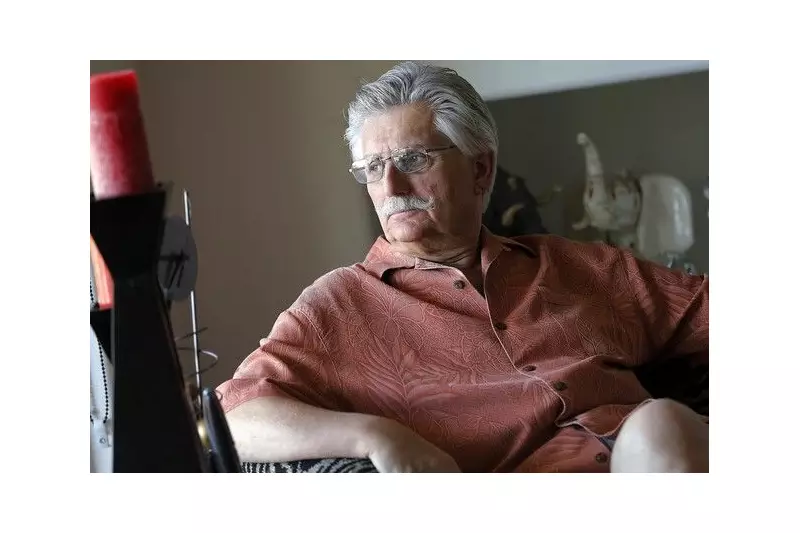
Decades after one of America's most infamous murder cases, a measure of financial justice has been secured for the family of Ron Goldman. O.J. Simpson's estate has been ordered to pay Fred Goldman a staggering $58 million settlement, finally bringing closure to a wrongful death claim that has stretched across nearly thirty years.
The Long Road to Justice
The settlement stems from the 1997 civil judgment that found Simpson liable for the deaths of Ron Goldman and Nicole Brown Simpson. While Simpson was acquitted of criminal charges in what many called the "trial of the century," the civil court delivered a different verdict, holding him financially responsible for the wrongful deaths.
According to court documents reviewed by the Toronto Sun, the payment will be processed through a Florida probate case that has been handling Simpson's estate since his death from cancer in April. The timing coincides with the expiration of the 150-day window following Simpson's passing, allowing creditors to formally submit their claims against his estate.

Fred Goldman and the Brown family initially won a $33.5 million judgment against Simpson in 1997, but collecting the full amount proved challenging over the subsequent decades. With accumulated interest over nearly thirty years, the total debt has now ballooned to approximately $58 million.
Financial Realities of the Settlement
While the $58 million figure represents a significant legal victory for the Goldman family, the practical reality of collection remains complex. Simpson's estate includes various assets, but the total value likely falls far short of the judgment amount.
Legal experts note that Simpson's most valuable assets likely include his Florida home, personal property, and potential royalties from any ongoing revenue streams. However, the probate process will determine exactly what assets are available for distribution to creditors, with the Goldman claim taking priority status.
The settlement represents one of the largest wrongful death payments in American legal history, though the actual amount collected may be substantially less than the official judgment. The probate court will oversee the distribution of Simpson's assets to ensure proper allocation according to Florida law.
Closure After Decades of Legal Battles
For Fred Goldman, this settlement marks the end of a painful chapter that began with his son's tragic murder in 1994. Throughout the years, Goldman has been the most vocal and persistent advocate for justice, never wavering in his pursuit of holding Simpson accountable.
In statements following Simpson's death, Goldman expressed mixed emotions, noting that while Simpson's passing brought some closure, it also meant the end of any possibility for a criminal confession. The financial settlement, however, provides a tangible form of accountability that had eluded the family for decades.
The resolution of this case comes as both families have aged and moved forward with their lives, though the scars of the original tragedy remain. The Brown family, while less publicly involved in the financial aspects of the case, also stands to benefit from the settlement terms originally established in 1997.
Legal analysts suggest that while the monetary compensation cannot replace the loss of a loved one, the settlement does provide a measure of validation for the Goldman family's long fight for justice. The case also serves as a powerful example of how civil courts can provide recourse when criminal courts fall short of public expectations.