Open Letter Calls for Law to Prevent Femicide in Quebec
An urgent open letter is demanding that the Quebec government enact specific legislation to prevent femicide, following the tragic death of an 18-year-old woman in Montreal. The letter, released on April 21, 2026, emphasizes the need for legal measures to address gender-based violence and protect women across the province.
Tragic Incident Sparks Action
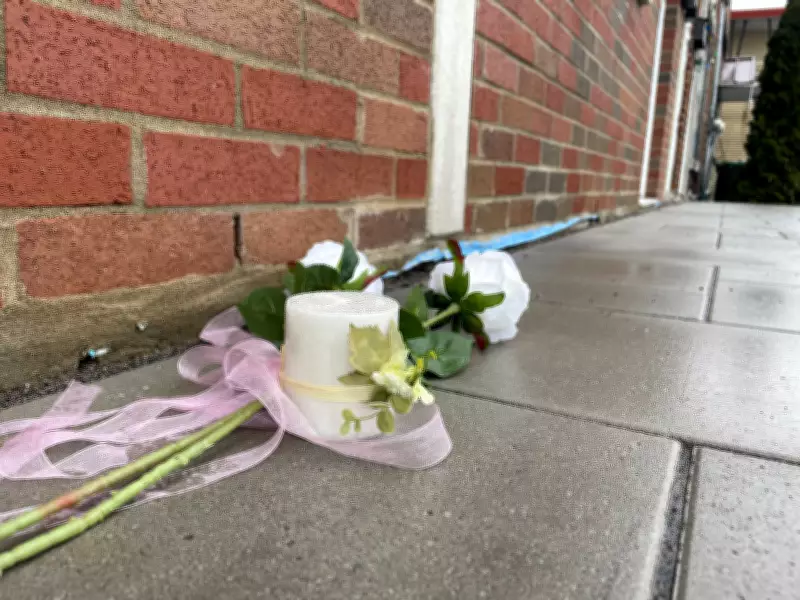
The call to action comes after an 18-year-old woman was killed in the Villeray–Saint-Michel–Parc-Extension borough of Montreal on April 1, 2026. Flowers were laid outside the apartment building on Everett Street in a solemn tribute, as reported by CTV News. This incident has reignited concerns about the safety of women and the systemic failures in preventing such violence.
The open letter argues that existing laws are insufficient to combat femicide, defined as the intentional killing of women or girls because of their gender. It highlights a pattern of violence that requires targeted legal interventions, including better support services, enhanced police training, and stricter penalties for perpetrators.

Broader Context of Gender-Based Violence
Femicide is a critical issue in Quebec and across Canada, with statistics showing that women are disproportionately affected by intimate partner violence and other forms of gender-based aggression. The letter points to research indicating that marginalized groups, including Indigenous women and immigrants, face even higher risks.
Advocates stress that a new law could save lives by addressing root causes, such as economic inequality, social stigma, and inadequate access to resources. They propose measures like mandatory risk assessments in domestic violence cases and increased funding for shelters and counseling programs.
Political and Public Response
The demand for legislation has garnered support from various community organizations, women's rights groups, and some political figures. However, it also faces challenges, including potential opposition from those who argue that current laws should be enforced more rigorously rather than creating new ones.
In response to the open letter, Quebec officials have acknowledged the issue but have not yet committed to drafting new legislation. A spokesperson stated that the government is reviewing existing policies and considering ways to enhance protections for women, though no timeline has been provided.
Comparative Insights and Future Steps
Other jurisdictions, such as certain European and Latin American countries, have implemented femicide-specific laws with mixed results. The letter cites examples where such legislation has led to improved data collection and greater public awareness, though challenges in enforcement remain.
Moving forward, activists plan to organize rallies and petitions to pressure the government into action. They emphasize that preventing femicide requires a multifaceted approach, involving legal reforms, community education, and cross-sector collaboration.
In conclusion, the open letter represents a pivotal moment in Quebec's fight against gender-based violence, urging lawmakers to take decisive steps to protect women and prevent future tragedies. As the debate continues, the hope is that this call will translate into meaningful legal changes that prioritize women's safety and dignity.