Ottawa City Councillor Faces Impaired Driving Charges as Lawyer Files Seven Charter Challenges
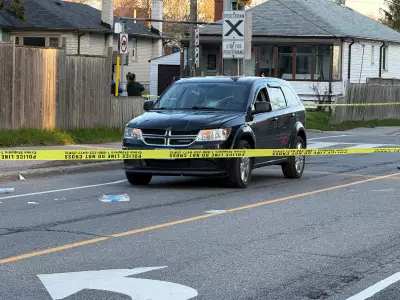
Ottawa city councillor Matthew Luloff is currently on trial for two impaired driving charges stemming from an incident in the early hours of July 6, 2024. The legal proceedings have taken a significant turn as his defense lawyer has presented seven separate Charter of Rights and Freedoms challenges, questioning the admissibility of evidence collected by Ottawa police officers.
Details of the Charges and Legal Proceedings
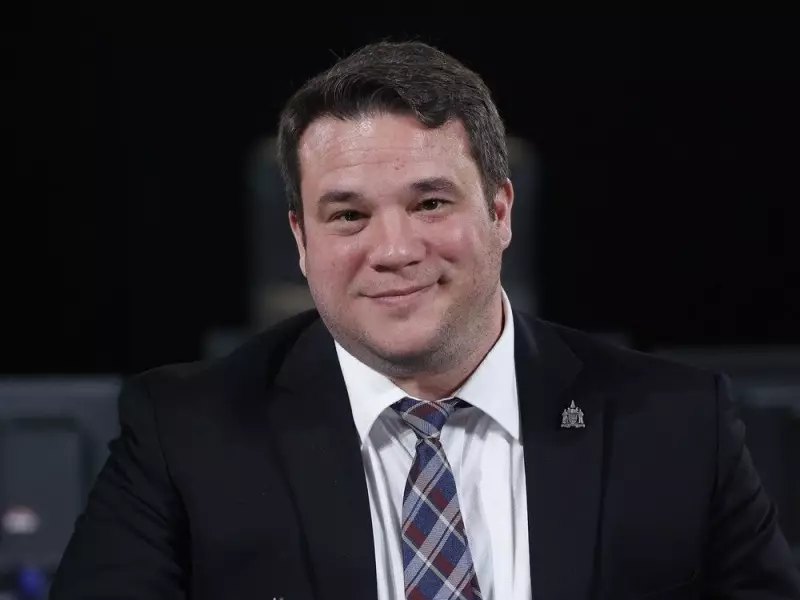
Councillor Matthew Luloff, who represents Orléans East-Cumberland, has pleaded not guilty to both charges against him. The first count alleges that he operated a motor vehicle while impaired, while the second count states that within two hours of ceasing to operate the vehicle, his blood-alcohol concentration exceeded 80 milligrams of alcohol per 100 milliliters of blood.
The trial, which began this week, has focused heavily on police procedures during Luloff's arrest. His lawyer, Lawrence Greenspon, filed the seven Charter challenges during closing submissions on Wednesday, arguing that Ottawa police officers breached multiple Charter rights during their investigation.

Key Charter Challenges Presented
The defense has raised several significant concerns about police conduct:
- Warrant Issues: Greenspon argues that officers failed to obtain proper warrants before entering Luloff's property and searching his satchel
- Arrest Information: The defense claims officers were not forthcoming about why Luloff was being arrested or why he was being transported to the Elgin Street cellblock
- Investigation Disclosure: According to Greenspon, Constable Alvis Azzi told Luloff they were investigating a traffic complaint rather than a possible impaired driving report
- Right to Counsel: The defense argues that Constable Omar Vanwelzenis did not properly inform Luloff of his right to obtain counsel and his right to remain silent
Police Testimony and Evidence Concerns
During testimony, Constable Vanwelzenis stated that he arrested and charged Luloff after administering a roadside breath test that registered as a fail. However, he admitted to forgetting to read the standard demand for a breathalyzer technician to take another sample before transporting Luloff to the cellblock, though one was read after their arrival.
Constable Azzi testified that he asked Luloff about his whereabouts and how he had gotten home that night, with Luloff reportedly denying driving the Jeep in question. The defense has challenged the timing of rights being read, noting that according to police notes, Luloff was arrested at 12:30 a.m. but didn't have his rights to counsel read until approximately 12:34 a.m.
Section 10 Charter Breach Allegations
Greenspon specifically cited Section 10 of the Charter of Rights and Freedoms in his challenges. This section guarantees that everyone has the right, upon detention or arrest, to be properly informed of the reasons immediately. It also ensures rights to retain counsel and be informed of that right, as well as the right to be released if detention is not lawful.
The defense argues that the four-minute delay between arrest and reading of rights, combined with the other alleged procedural issues, constitutes significant Charter breaches that should affect the admissibility of evidence in the trial.
The case continues to unfold in Ottawa court, with the Charter challenges representing a significant aspect of the defense strategy. The outcome could have implications for how police procedures are scrutinized in similar cases moving forward.