Edmonton Police Chief Appeals $80,000 Human Rights Tribunal Ruling
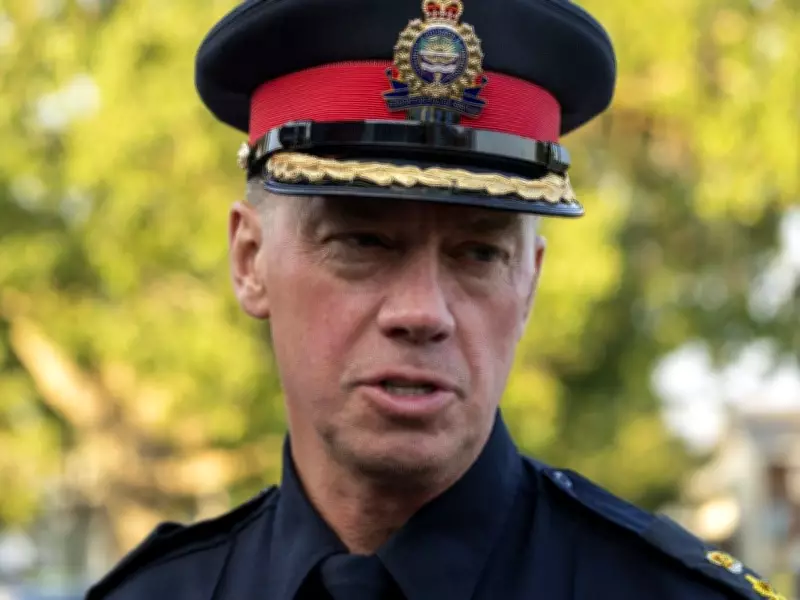
Lawyers representing Edmonton Police Chief Warren Driechel are vigorously contesting an Alberta Human Rights Tribunal decision that found two Black men were victims of racial discrimination when they were pepper sprayed and forced to the ground while attempting to report a crime. The tribunal had awarded a total of $80,000 to Yousef John and Caesar Judianga in a 2024 ruling concerning their 2017 arrests.
Judicial Review Hearing Examines Tribunal Decision
An Alberta Court of King's Bench justice heard arguments on Wednesday in a judicial review brought by the Edmonton Police Service. The case centers on whether the tribunal properly applied legal standards when determining that implicit racial bias played a role in the officers' actions during the 2017 incident.
Police service lawyer Michele Wolowidnyk argued that the tribunal decision suffers from what she described as "internal incoherence" and fails to establish a clear connection between general evidence about implicit bias and the specific interaction between officers and the two men.

Details of the 2017 Incident
The incident occurred when John and Judianga, both South Sudanese men, called 911 to report that a white woman had allegedly thrown a rock through the window of a car belonging to their roommate's wife. Their roommate had attempted to enact a citizen's arrest on the woman before police arrived.
When Constable Jordan Steele arrived at the scene, he encountered what he described as a chaotic situation with a man restraining a woman. Steele proceeded to pepper spray all three men, ordered them to the ground, and handcuffed them. Another officer, Constable Celia Frattin, reportedly told the men they were "lucky" not to have been shot and later gave the suspect a ride home.
Tribunal's Findings on Implicit Bias
In 2023, the human rights tribunal concluded that John and Judianga were victims of racial discrimination. Human rights commission member Erika Ringseis determined that implicit bias—prejudices that are unconsciously formed from societal exposure—rather than outright racial bias influenced the officers' actions.
Ringseis pointed specifically to Steele's rapid use of pepper spray and the disparity in treatment between the men reporting the crime and the accused woman as evidence supporting the discrimination finding.
Police Service's Legal Arguments
During Wednesday's hearing, Wolowidnyk presented several key arguments challenging the tribunal's decision:
- The tribunal improperly used population-level evidence about implicit bias to conclude that race was a factor in this specific police interaction
- The decision fails to explain how general research about societal bias translates to proof in this particular case
- The tribunal judged the officers' actions using hindsight rather than the appropriate legal standard of what was reasonable in the moment
"Research about average levels of bias in society or how groups tend to behave may provide some context, but it cannot by itself establish that race was a factor in a particular decision by a particular police officer in a particular interaction," Wolowidnyk argued.
She noted that Chief Driechel acknowledges the existence of implicit bias within policing, but maintains that the tribunal's application of this concept to the specific case was legally flawed. The police service contends that Steele responded appropriately to what was dispatched as a "trouble not known" call and arrived to find what he reasonably believed was an assault in progress.
The judicial review continues as the court examines whether the human rights tribunal properly interpreted and applied legal standards regarding discrimination in policing interactions.