The long-awaited trial for a law enforcement officer charged in connection with the tragic response to the Robb Elementary School shooting in Uvalde, Texas, has officially begun. The officer stands accused of failing to protect children during the May 2022 massacre that shocked the nation and the world.
The Charges and the Courtroom Proceedings
Proceedings commenced on January 05, 2026, marking a significant moment in the quest for accountability years after the horrific event. The officer on trial faces allegations directly related to the law enforcement response that day, which has been widely criticized for its delays and failures. The specific charge centers on the alleged failure to protect the children inside the school during the active shooter situation.
This trial represents one of the most direct legal challenges to the actions, or inaction, of authorities present during the shooting. The world watched in horror as details emerged of the 77-minute wait before the gunman was confronted and killed, a period during which 19 students and two teachers lost their lives.
A Community's Lingering Grief and Demand for Justice
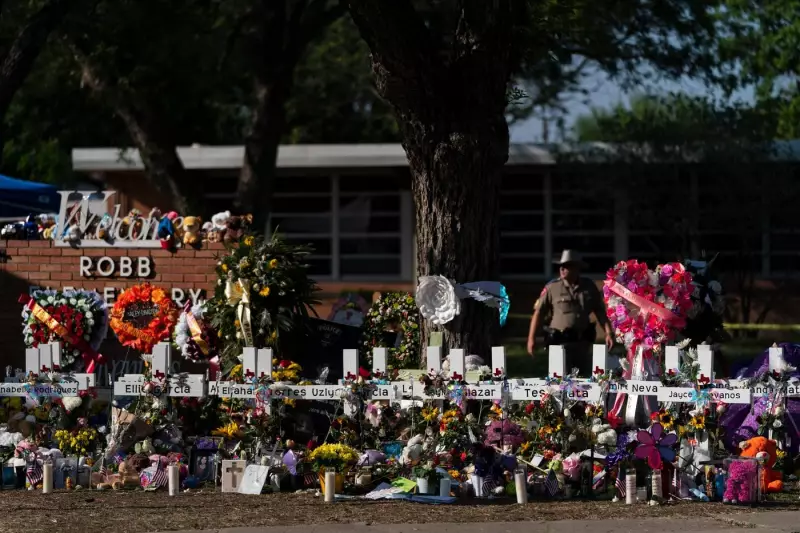
The memory of the victims remains a powerful force in Uvalde and beyond. The scene outside the school in the days following the shooting, with flowers and candles placed around crosses for each victim, became an iconic and heartbreaking image of national mourning. That grief has fueled a persistent demand for answers and accountability from the families of the victims and the community at large.
This trial is seen as a critical test of the justice system's ability to address perceived failures in duty by those sworn to protect. The outcome will be closely scrutinized, not only for its impact on the accused officer but also for the precedent it may set regarding law enforcement protocols and responsibilities during school shootings and other mass casualty events.
Broader Implications for School Safety and Policing
Beyond the courtroom, the Uvalde shooting has already prompted nationwide debates and reforms concerning school safety protocols, police training, and emergency response coordination. The trial brings these issues back into sharp focus, forcing a re-examination of the standards to which officers are held when confronting an unthinkable crisis.
Legal experts suggest the proceedings will delve deeply into the specific orders given, the chain of command, and the decisions made in real-time under extreme duress. The testimony is expected to provide a granular, and likely painful, recounting of the events of that day, offering the public and the victims' families a clearer picture of what transpired during those critical minutes.
As the trial unfolds, it serves as a somber reminder of the tragedy at Robb Elementary and the ongoing struggle for closure and justice. The proceedings are anticipated to last for several weeks, with the eyes of a nation—and particularly concerned communities across Canada and the United States focused on school safety—fixed on the courtroom in Texas.