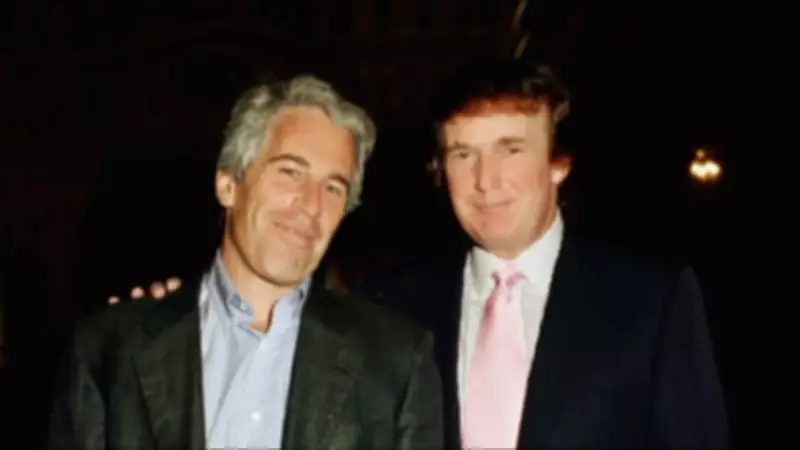
A New York judge has issued a temporary dismissal of former President Donald Trump's defamation lawsuit against The Wall Street Journal. The legal action centered on the newspaper's reporting concerning Trump's associations with the late financier and convicted sex offender Jeffrey Epstein.
Procedural Grounds Lead to Dismissal
The court's decision to dismiss the case, at least for the present, was based on procedural deficiencies rather than a ruling on the merits of the defamation claims themselves. The judge indicated that the lawsuit, as filed, did not meet certain legal standards required to proceed at this stage.
Background of the Legal Dispute
The lawsuit stemmed from articles published by The Wall Street Journal that detailed connections between Trump and Epstein. Trump's legal team alleged that the reporting contained false and defamatory statements intended to damage his reputation. The Wall Street Journal has maintained that its journalism was accurate and protected under the First Amendment.

This legal skirmish is part of a broader pattern of litigation involving the former president and various media outlets. Trump has frequently used defamation lawsuits as a tool to challenge critical coverage.
Implications and Potential Next Steps
The dismissal "for now" suggests that Trump's legal team may have the opportunity to refile an amended complaint that addresses the court's procedural concerns. Legal experts note that such dismissals are not uncommon in complex defamation cases, where plaintiffs are often given a chance to correct filing errors.
However, the hurdle remains high. To succeed in a defamation claim, a public figure like Trump must prove that the publisher acted with "actual malice"—meaning they knew the information was false or recklessly disregarded the truth. This standard, established by the Supreme Court, provides significant protection for news organizations.
Reactions and Broader Context
The case has drawn attention due to the high-profile nature of the individuals involved and the sensitive subject matter of Epstein's crimes. Media law analysts emphasize that the initial dismissal reinforces the robust legal protections afforded to the press in the United States, even when reporting on powerful political figures.
The Wall Street Journal has not issued a detailed public statement following the dismissal, but it is expected to continue defending its reporting vigorously if the lawsuit is refiled. For Trump, the outcome represents a temporary setback in his ongoing efforts to legally contest media narratives surrounding his past associations.
As the legal process potentially continues, this case will be closely watched as a test of the boundaries between aggressive journalism and defamation in the modern media landscape.