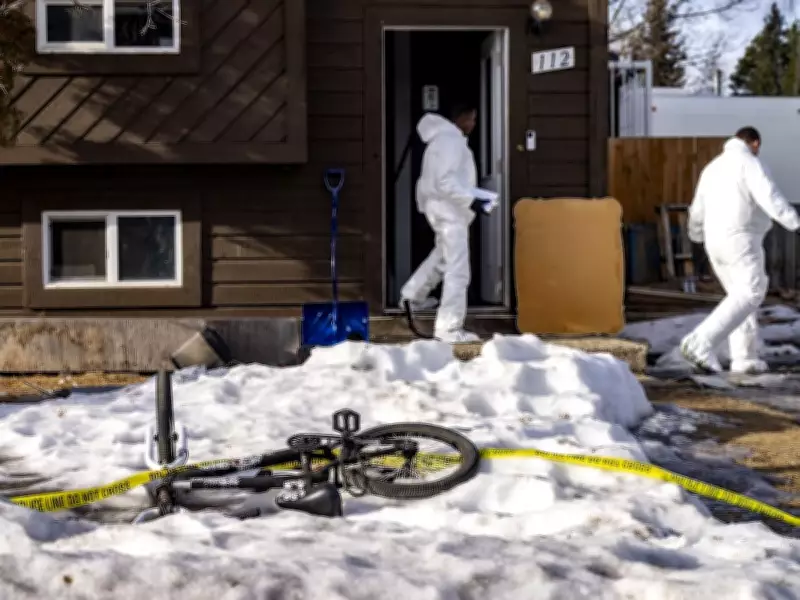
Tumbler Ridge Murders: A Preventable Tragedy That Exposes Systemic Failures
The horrific mass shooting in Tumbler Ridge, British Columbia, which claimed eight lives and injured twenty-seven people in February 2026, represents yet another preventable tragedy in Canada's growing list of mass violence incidents. Like the 2020 Nova Scotia massacre and 2022 Saskatchewan stabbings, the Tumbler Ridge murders followed a disturbingly familiar pattern of ignored warning signs, mental health system failures, and policy shortcomings that allowed violence to escalate unchecked.
Glaring Warning Signs Ignored
The perpetrator, 18-year-old Jesse Van Rootselaar, who identified as a trans woman and was known locally as Jesse Strang, had a documented history that should have triggered intervention. In 2023, Van Rootselaar set fire to a bed after consuming psychedelic mushrooms, yet this dangerous behavior didn't prevent continued hard drug use. Police visited the family home multiple times for mental health-related calls and conducted forced assessments under British Columbia's Mental Health Act. The shooter had recently been in psychiatric treatment but returned home without enhanced supervision. Most alarmingly, guns were seized from the home only to be returned later.
The online history revealed a pattern of psychedelic drug use mixed with prescription medications and an obsession with mass shootings and violence. Despite these multiple red flags, the system failed to connect the dots that pointed toward escalating danger.
Systemic Failures in Mental Health Response
While public discourse encourages taking mental health seriously through political speeches and awareness campaigns, the reality reveals a different story when confronting severe cases. The feel-good rhetoric of mental health advocacy often stops precisely when situations become truly serious and require difficult interventions. The effort to destigmatize mental health problems, while broadly positive, has created a censorious effect that blocks necessary discourse about the dangerous subset of individuals at high risk for violence.
British Columbia's mental health system demonstrated critical failures in this case. Multiple forced assessments under the Mental Health Act failed to prevent the tragedy, raising questions about assessment protocols, follow-up procedures, and coordination between law enforcement and mental health professionals.
Broader Social and Policy Context
The Tumbler Ridge tragedy occurred within a broader context of social and policy challenges that contribute to preventable violence:
- Rural and remote access issues that limit mental health resources
- The normalization of drug use alongside decriminalization policies
- Social media platforms that algorithmically encourage radicalization
- Inadequate supervision for individuals returning from psychiatric treatment
- Failure to implement enhanced monitoring for high-risk individuals
Most people with mental health issues are not dangerous, but this reality cannot justify turning a blind eye to those who pose genuine threats. The failure to distinguish between these groups represents negligence that endangers both individuals and communities.
A Pattern of Preventable Violence
The Tumbler Ridge shootings follow a disturbing national pattern:
- The 2020 Nova Scotia massacre left 22 people dead
- The 2022 Saskatchewan stabbings killed 11 and injured 17
- The 2026 Tumbler Ridge shootings resulted in 8 dead and 27 injured
Each case featured similar elements: documented mental health problems, substance abuse issues, and multiple intervention failures. These tragedies reveal systemic weaknesses that transcend individual cases and point to broader societal failures in addressing the intersection of mental health, substance use, and violence prevention.
The traumatized community of Tumbler Ridge and a shaken nation now confront uncomfortable questions about why warning signs were ignored and what systemic changes must occur to prevent future tragedies. The uncomfortable truth is that preventable violence continues because society lacks the political will and social courage to implement the difficult measures required to heed warning signs before they escalate into tragedy.