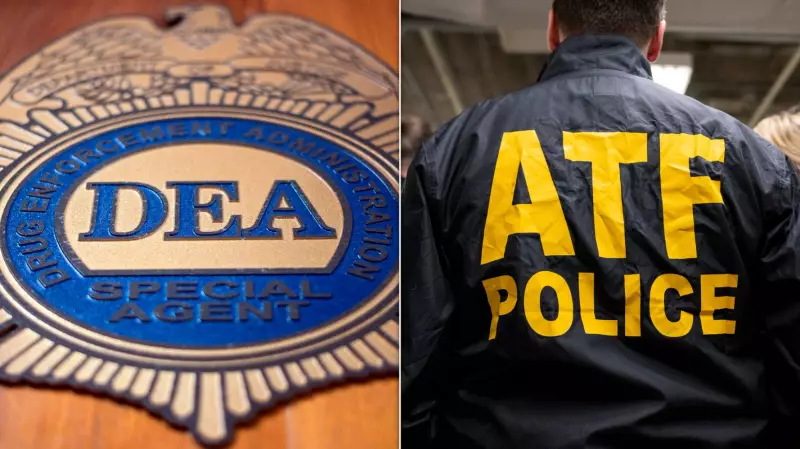
The Trump administration has officially withdrawn its proposal to merge two key federal law enforcement agencies, the Bureau of Alcohol, Tobacco, Firearms and Explosives (ATF) and the Drug Enforcement Administration (DEA). This decision, reported by CNN on Saturday, January 17, follows significant opposition from both gun-rights and gun-control advocacy groups.
A Plan Scrapped Amidst Widespread Opposition
The merger proposal was a central component of a broader initiative announced last year by Deputy Attorney General Todd Blanche. The plan aimed to shrink federal agencies and streamline government operations. However, it faced immediate and substantial hurdles.
Critically, the consolidation would have required approval from the U.S. Congress, where it encountered bipartisan backlash. The unusual alliance of gun rights organizations, such as the NRA, and gun control groups, like Everytown for Gun Safety, created a powerful coalition against the move. Internal resistance from employees within the agencies themselves further complicated the proposal's viability.

Timing Coincides with Leadership Confirmation
The reversal comes at a pivotal moment for the ATF. According to the report, the White House is currently seeking Senate confirmation for Robert Cekada, the agency's deputy director, to serve as its permanent director. Abandoning the contentious merger plan is seen by observers as a strategic move to smooth the path for Cekada's confirmation and stabilize the agency's leadership.
Implications for U.S. Gun Policy and Government Reform
The shelving of this merger represents a significant setback for the administration's government reorganization agenda. It underscores the deeply polarized and sensitive nature of firearms policy in the United States, where even administrative changes can unite typically opposing factions.
The proposal's failure highlights several key points:
- Bipartisan Consensus is Rare: The plan managed to unify groups from across the political spectrum in opposition.
- Institutional Challenges: Merging large, established federal agencies with distinct cultures and missions is profoundly difficult.
- Political Reality: Even with a reform-minded agenda, practical political obstacles often prevail.
Reuters noted it could not immediately verify the CNN report, and the White House did not promptly respond to a request for comment. The future of the administration's broader government streamlining efforts remains uncertain following this high-profile reversal.