Utah Judge to Rule on Disqualifying Prosecutors in Charlie Kirk Murder Case
A Utah judge is poised to make a critical decision on whether to disqualify the prosecutors handling the case against the suspect accused of murdering Charlie Kirk, the founder of Turning Point USA. This ruling could significantly alter the course of the high-profile legal proceedings, which have drawn national attention due to Kirk's prominent role in conservative politics.
Background of the Case
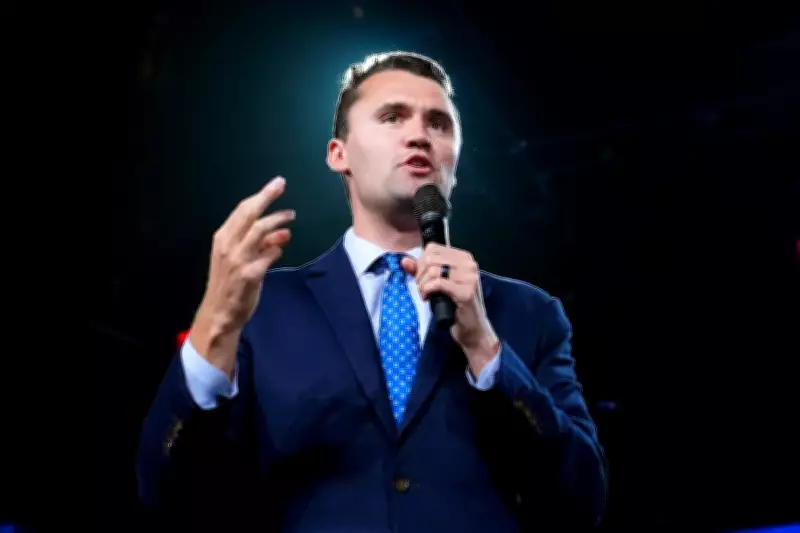
The case stems from the killing of Charlie Kirk, a well-known political activist and speaker who founded Turning Point USA, a conservative student organization. Kirk was speaking at a Turning Point event in Mesa, Arizona, in September 2024, prior to an appearance by Republican vice presidential nominee Sen. JD Vance. The suspect, whose identity has not been fully disclosed in public reports, is facing charges related to the murder, with prosecutors seeking to pursue the case vigorously.
However, the defense team has filed a motion to disqualify the prosecutors, alleging potential biases or procedural issues that could compromise a fair trial. The Utah judge overseeing the case must now weigh these arguments, considering legal precedents and the specifics of the prosecution's conduct. This decision is expected to have far-reaching implications, as it could delay the trial or even lead to a change in the legal team handling the matter.
Legal and Political Implications
The outcome of this ruling is not just a legal matter but also carries political weight, given Kirk's influence in conservative circles. Turning Point USA has been a key player in mobilizing young voters and promoting conservative ideals on college campuses across the United States. Kirk's death has sparked widespread mourning and calls for justice from his supporters, making the trial a focal point for media coverage and public scrutiny.
If the judge decides to disqualify the prosecutors, it could signal concerns about the integrity of the prosecution's approach, potentially leading to a reassessment of the evidence and strategy. Conversely, if the prosecutors are allowed to remain, the trial may proceed as planned, but with ongoing scrutiny over their methods. Legal experts suggest that such motions are not uncommon in high-stakes cases, but they often hinge on detailed factual and legal analysis by the court.
Next Steps in the Proceedings
Following the judge's decision, the case will move forward with either the current prosecutors or a new team, depending on the ruling. The trial date has not been set, but it is anticipated to be a lengthy process, given the complexity of the evidence and the high profile of the victim. Both sides are preparing for extensive legal battles, with the defense likely to challenge any adverse rulings through appeals if necessary.
In the meantime, the community and national observers are closely watching the developments, as the case touches on issues of justice, political activism, and legal fairness. The judge's ruling is expected to be announced in the coming weeks, after thorough consideration of all submitted briefs and arguments from both the prosecution and defense.