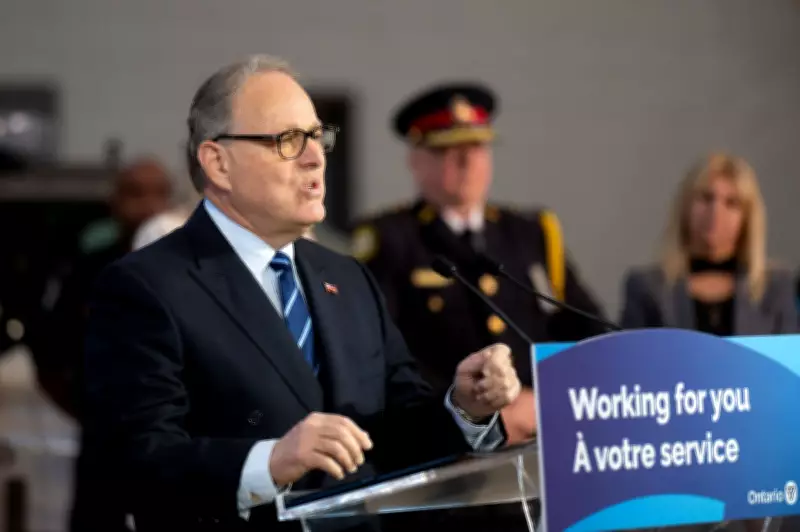
Ontario Solicitor General Michael Kerzner has defended new provincial powers that allow him to issue directives to police boards, a move that has sparked debate over the balance between government oversight and police independence. Speaking at a press conference in Etobicoke, Kerzner emphasized that the measures are designed to enhance accountability and ensure consistent standards across the province's policing services.
New Powers Explained
The legislation grants the solicitor general authority to direct police boards on operational and administrative matters, including budgeting, policy implementation, and performance targets. Critics argue this could undermine local control and politicize policing. However, Kerzner insists the powers are strictly defined and will be used transparently. “We are committed to public safety and effective policing,” he said. “These directives will be issued only when necessary to address systemic issues or improve service delivery.”
Reactions from Stakeholders
Police associations and civil liberties groups have expressed concerns. The Ontario Association of Police Boards warned that the changes could erode the independence of local oversight. Meanwhile, some municipal leaders worry about increased provincial interference. “We need to ensure that police remain accountable to the communities they serve,” said a spokesperson for the Association of Municipalities of Ontario.

In contrast, supporters argue that the reforms bring much-needed uniformity to a fragmented system. “This is about setting minimum standards and ensuring that all Ontarians receive the same level of police service, regardless of where they live,” Kerzner added.
Broader Context
The announcement comes amid ongoing discussions about police reform and community safety. The province has faced criticism over its handling of various policing issues, including racial profiling and use of force. The new powers are part of a broader effort to modernize policing and rebuild public trust.
Kerzner also addressed concerns about the potential for political interference, stating that the directives will be subject to legislative oversight and public reporting. “We are not looking to micromanage police boards,” he said. “We are looking to improve outcomes for the people of Ontario.”
The debate is expected to continue as the legislation moves through the approval process. Stakeholders have been invited to provide input during consultations, which will inform the final implementation guidelines.