Ottawa's Historic ByWard Market District Set for Major $200 Million Transformation
A significant revitalization initiative valued at $200 million has received preliminary approval from Ottawa's finance and corporate services committee, marking a pivotal moment for the city's premier tourist and events district. The comprehensive plan aims to address longstanding challenges while enhancing the market's appeal as a vibrant urban destination.
Three Key Projects Form Core of Ambitious Revitalization Strategy
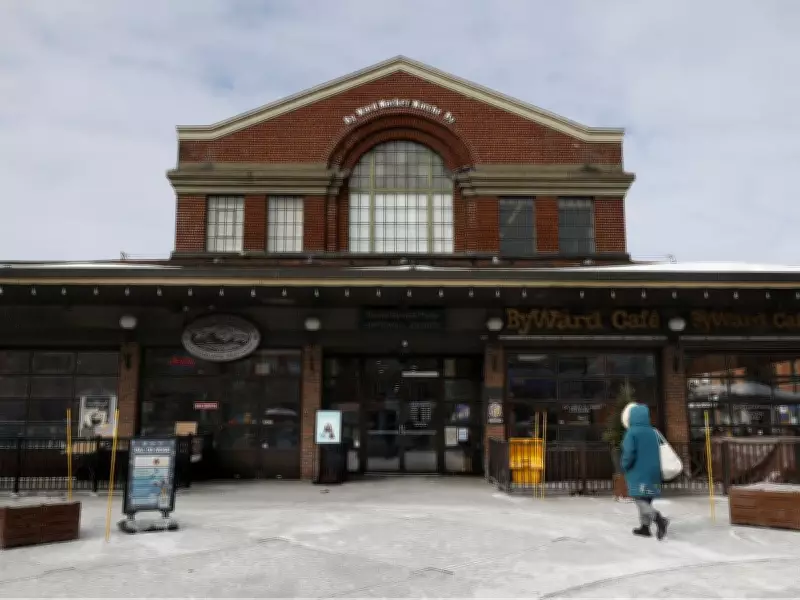
The substantial investment will focus on three primary infrastructure projects designed to modernize the historic market area. First, the signature market building located at 55 ByWard Market Square will undergo extensive renovation and streetscaping improvements. Second, York Street will be transformed into a pedestrian-oriented plaza to enhance walkability and public gathering spaces. Third, an aging city-owned parking structure on Clarence Street will be repurposed for more productive community use.
The approved framework encompasses short-, medium-, and long-term investments with the explicit goal of creating "a vibrant, welcoming and inclusive historic market district" that better serves residents, businesses, and visitors alike.

Addressing Complex Challenges in Ottawa's Most Recognizable Urban Destination
City staff reports acknowledge the district faces multiple interrelated challenges that have accumulated in recent years. According to Debbie Stewart, general manager of strategic initiatives who presented to councillors on March 3, the Market area represents a significant "civic and economic asset" with approximately 3,000 residents, 2,200 dwellings, and 470 businesses occupying about 1.5 million square feet of commercial space centered around one of Canada's oldest public markets.
"Despite its vibrancy, the ByWard Market's full potential is constrained by interrelated public-realm, safety and social challenges," states the official report presented to the committee. Recent consultations with residents, businesses, and visitors revealed that "a significant share of respondents reported negative impressions" compared with pre-pandemic levels.
Post-Pandemic Recovery and Safety Concerns Drive Holistic Approach
The revitalization plan emerges against a backdrop of ongoing recovery from the COVID-19 pandemic, with staff highlighting the need for a "holistic, cross‑departmental approach rather than isolated or single‑departmental responses." The district continues to experience lingering effects including changes in work and travel patterns, affordability pressures, substance use and mental health challenges, and visible homelessness.
Staff identified a "convergence of challenges" including safety and access concerns, declining public confidence, underperforming public spaces, and aging municipal infrastructure that "cannot be addressed through incremental or isolated interventions." The strategic initiatives department emphasized that as Ottawa's most recognizable urban destination, the ByWard Market serves as "the lens through which visitors, investors, and prospective residents experience the city for the first time," making its condition crucial to perceptions of Ottawa as a place to live, work, visit, and invest.
The approved revitalization program represents a coordinated effort to transform the historic market district while addressing complex urban challenges through substantial public investment and strategic planning.