Major Changes to ByWard Market Parking Garage Spark Driver Discontent
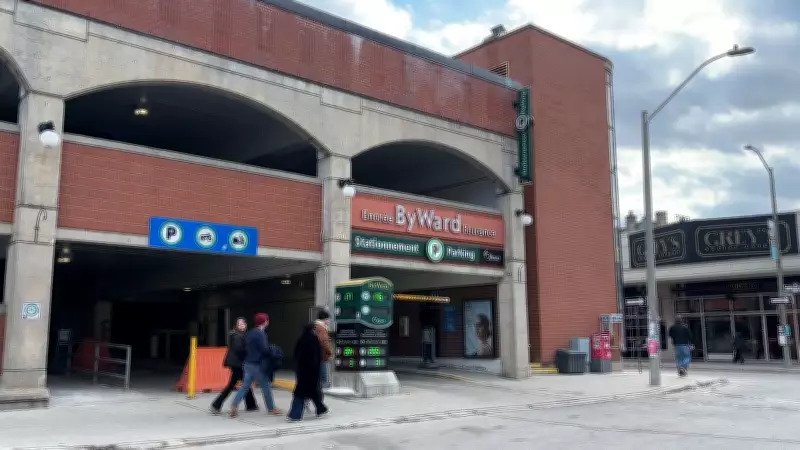
Significant alterations are set to commence at the ByWard Market parking garage located at 70 Clarence Street in Ottawa, starting Monday, March 30, 2026. These modifications have already generated dissatisfaction among some drivers who frequent the area, highlighting concerns over accessibility and convenience in the bustling market district.
Details of the Parking Garage Modifications
The parking garage, a key infrastructure component in the ByWard Market, will undergo a series of updates aimed at improving safety and efficiency. However, specific details regarding the nature of these changes, such as potential fee adjustments, operational hours, or structural renovations, have not been fully disclosed, leaving many drivers uncertain about the impact on their daily routines.
Local reports indicate that the changes could affect parking availability and traffic flow in the surrounding streets, potentially exacerbating congestion during peak hours. This has led to vocal criticism from community members who rely on the garage for easy access to the market's shops, restaurants, and entertainment venues.

Community Reaction and Broader Implications
In response to the announced changes, some drivers have expressed frustration, citing potential disruptions to their commuting patterns and increased costs. The ByWard Market is a popular destination for both residents and tourists, making efficient parking solutions crucial for sustaining local businesses and visitor satisfaction.
This situation underscores ongoing challenges in urban planning, where balancing modernization efforts with public convenience often leads to contentious debates. As Ottawa continues to evolve, such infrastructure updates may become more frequent, necessitating clearer communication and community engagement to mitigate negative reactions.
The parking garage changes are part of a broader trend of urban development initiatives in Canadian cities, aimed at enhancing public spaces and transportation networks. While intended for long-term benefits, immediate adjustments can strain daily life for those affected, as seen in this case.