Calgary Councillor Demands Accountability After $3.6 Billion Water Budget Unspent
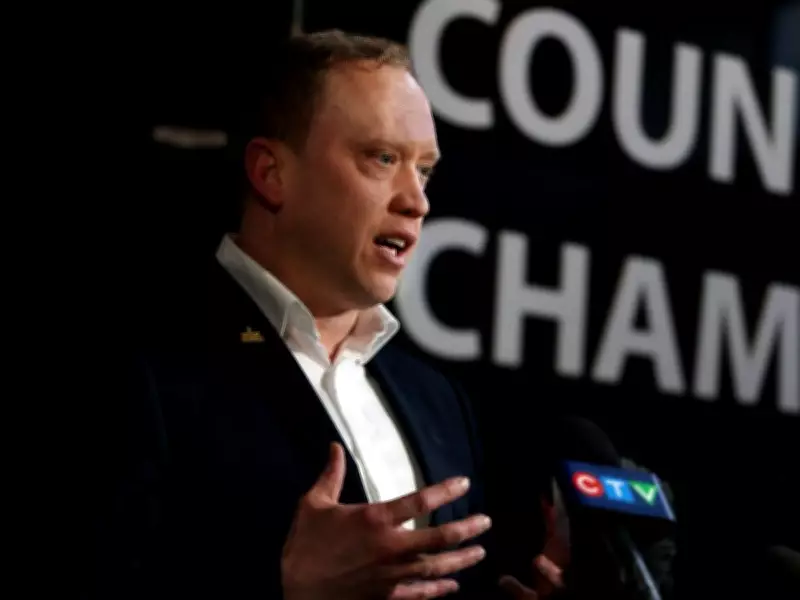
A Calgary city councillor is demanding increased accountability and transparency following a shocking inquiry that revealed the city failed to spend a staggering $3.6 billion allocated for water infrastructure between 2003 and 2024. Ward 12 Coun. Mike Jamieson is spearheading the call for action after two major water main breaks highlighted systemic failures in the city's management of critical utilities.
Systemic Gaps in Water Utility Management
An independent review conducted after the catastrophic Bearspaw South feeder main rupture in 2024, led by retired ATCO executive Siegfried Kiefer and released in early January, identified profound systemic gaps in Calgary's water utility management. The report was published just days after another rupture of the same water line, underscoring the urgency of the situation.
The investigation showed that over the 22-year period, the city's water utility spent within five percent of its total budget in only two years. On average, a shocking 36 percent of the annual budget went unspent each year, revealing a pattern of chronic underinvestment in vital infrastructure.

The Staggering Numbers Behind the Neglect
While the initial report didn't provide specific dollar figures, Coun. Jamieson initiated a council inquiry to uncover the exact financial impact. The findings were alarming: of the total $9.74 billion approved for the water utility budget between 2003 and 2024, only $6.13 billion was actually spent, leaving $3.6 billion unused.
"We have a huge deficit right now in infrastructure spending," Jamieson stated emphatically. "I believe that deficit is directly connected to the current condition of the city's water infrastructure."
According to the latest city report, 11 percent of Calgary's infrastructure is now classified as being in poor or very poor condition. Jamieson calculated this represents approximately $1.7 billion worth of critical infrastructure that has been allowed to deteriorate.
The Human and Structural Consequences
The consequences of this neglect became tragically visible when a second rupture of the Bearspaw South feeder main flooded a large section of 16th Avenue N.W. in Montgomery and Bowness on December 30, 2025. The incident stranded approximately 10 vehicles and disrupted communities, serving as a stark reminder of what happens when infrastructure maintenance is deferred.
Jamieson argued that if the unspent $3.6 billion had been properly invested over the past two decades, "that 11 percent, in my opinion, wouldn't be in poor or very poor condition." He emphasized that Calgarians deserve clarity about what happens to unspent capital, noting that while he believes it returns to fiscal reserves, "the point is, it was approved to spend and it wasn't spent."
Accountability and Organizational Challenges
The independent report found that the feeder main's rupture resulted from years of deferred inspections and investment, compounded by a lack of direct accountability. Jamieson explained that "it wasn't clear who the decision-makers are over the years," pointing to a 2001 reorganization that distributed water management across multiple departments.
"When they put water in several different departments, then it becomes really difficult, because now you've got a lot of different departments responsible for one thing," he noted, highlighting how fragmented responsibility contributed to the problem.
Perhaps most damning, the report concluded that "council was unable to play an effective oversight role due to limited visibility and the absence of independent expertise, leaving council with insufficient insight into water utility operations and risk."
A Call for Immediate Action
Jamieson's push for accountability comes with a clear message about his council's legacy: "I want to be known as the council that's dealing with it now." His comments reflect growing frustration with decades of deferred maintenance and unclear responsibility for critical infrastructure that affects every Calgarian's daily life.

The revelations about unspent billions coincide with increasing concerns about aging infrastructure across Canadian municipalities, making Calgary's situation a cautionary tale for other cities facing similar challenges with water systems, roads, and public utilities.