Inside Calgary Fire's Rapid Response to the Second Bearspaw Water-Main Break
When the Bearspaw feeder main ruptured for a second time in Calgary, the city's fire department was thrust into a high-stakes scenario requiring swift and decisive action. The incident, which unfolded on March 28, 2026, demanded more than a dozen urgent rescues as chaos erupted in the affected areas. This event highlighted the critical role of emergency services in managing urban infrastructure failures that can quickly escalate into public safety crises.
Coordinating Emergency Efforts Amidst Chaos
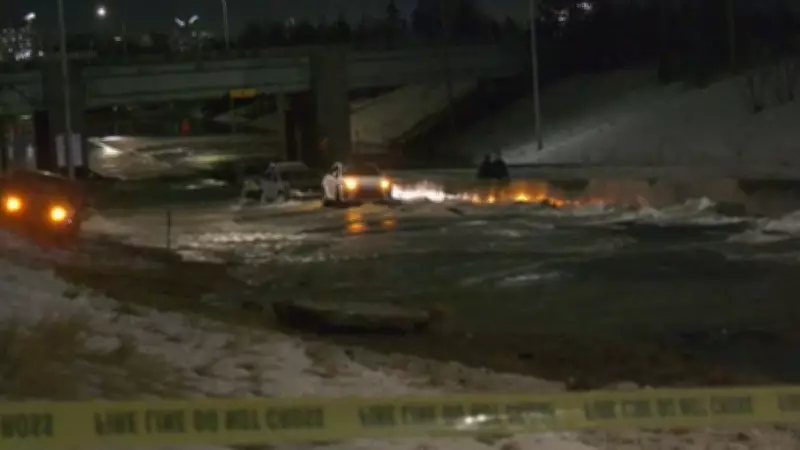
The rupture of the Bearspaw feeder main, a key component of Calgary's water supply system, triggered a cascade of emergencies that stretched the fire department's resources. Firefighters had to navigate flooded streets, compromised buildings, and panicked residents to execute rescues efficiently. Tactical units were deployed rapidly, focusing on areas where individuals were trapped or in immediate danger due to the sudden water surge and structural damage.
According to reports, the response involved multiple teams working in sync to assess risks and prioritize life-saving interventions. The speed of the operation was crucial, as delays could have led to more severe injuries or fatalities. The fire department's ability to mobilize quickly underscores their preparedness for such unpredictable events, which are becoming more frequent with aging infrastructure in many cities.

Challenges and Lessons from the Incident
This second rupture of the Bearspaw main posed unique challenges compared to previous breaks. The fire department had to adapt to evolving conditions, including secondary hazards like electrical outages and road collapses. Rescue operations were complicated by the scale of the break, which affected a broader area than initially anticipated, requiring coordination with other agencies such as paramedics and municipal workers.
Lessons from this incident emphasize the need for robust infrastructure maintenance and emergency planning. Proactive measures, such as regular inspections and upgrades to water mains, could mitigate future risks. Additionally, the fire department's experience highlights the importance of community awareness and preparedness drills to reduce panic during such crises.
Implications for Urban Safety and Infrastructure
The Bearspaw water-main break serves as a stark reminder of the vulnerabilities in urban systems. As cities like Calgary grow, the strain on aging infrastructure increases, raising the likelihood of similar incidents. Investing in modernizing water networks is essential to prevent disruptions that can endanger lives and property.
Moreover, this event showcases the fire department's resilience and adaptability in crisis management. Their successful execution of over a dozen rescues demonstrates a commitment to public safety that goes beyond firefighting, encompassing a wide range of emergency responses. Moving forward, collaborative efforts between government bodies and emergency services will be key to enhancing urban resilience and ensuring swift recovery from infrastructure failures.