Calgary Enacts Underground Construction Restrictions Near Critical Water Infrastructure
The City of Calgary has implemented new limitations on underground construction activities in the vicinity of the Bearspaw South Feeder Main, a crucial water transmission line. This decisive regulatory action comes in direct response to a significant water main rupture that occurred in January 2026, which necessitated extensive emergency repairs and disrupted service.
Proactive Measures Following Infrastructure Failure
City officials have determined that restricting excavation and other subterranean work near this essential feeder main is a necessary precaution to safeguard the integrity of Calgary's water distribution network. The targeted area, which experienced the substantial break earlier this year, is now subject to enhanced oversight and stricter permitting requirements for any proposed construction that involves digging or ground disturbance.
The primary objective of this policy is to mitigate the risk of accidental damage to the pipeline, which could lead to another catastrophic failure, widespread water service interruptions, and costly public works emergencies. By establishing a protective buffer zone, the city aims to prevent similar incidents from occurring in the future.

Context of the 2026 Water Main Break
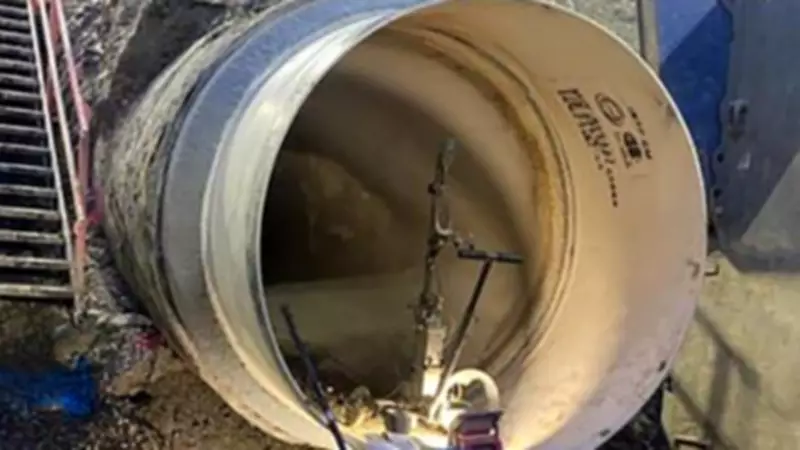
The incident that prompted this regulatory change was a major failure along 16th Avenue N.W. Repair crews were mobilized in January 2026 to address the break, as documented in official city communications. The disruption underscored the vulnerabilities within aging or stressed municipal infrastructure systems.
This new construction limitation represents a shift towards more conservative and preventative infrastructure management. It acknowledges the high stakes involved in maintaining reliable water service for Calgary's residents and businesses. The policy is expected to affect developers, utility companies, and contractors planning projects in the designated area, requiring them to seek explicit city approval and potentially adjust their engineering plans.
While the restrictions may introduce additional steps for certain construction projects, city planners emphasize that the long-term benefit of protecting a vital public resource outweighs these procedural considerations. The move is part of a broader, ongoing evaluation of the city's critical infrastructure resilience in the face of urban growth and environmental pressures.