Frigid Weather Creates Major Hurdles for Winnipeg's Encampment Enforcement Operations
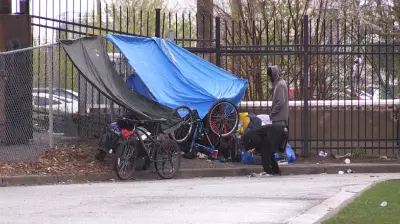
Winnipeg's ongoing efforts to address homeless encampments throughout the city are facing substantial delays due to the harsh winter conditions currently gripping the region. City officials confirm that enforcement actions and related operations have become significantly slower as temperatures plummet, creating both logistical and humanitarian challenges.
Operational Impacts of Extreme Cold
The bitter cold weather sweeping across Manitoba's capital has forced city workers and enforcement teams to adjust their approach to encampment management. "It's much slower progress," acknowledged one city representative, highlighting how freezing temperatures affect everything from equipment functionality to worker safety protocols. The extreme conditions necessitate additional precautions and often limit the hours during which enforcement activities can safely occur.
Safety Concerns for All Involved
Beyond the operational slowdowns, the frigid weather raises serious safety considerations for both city personnel and individuals living in encampments. Enforcement teams must balance their mandate with the reality that displacing people during dangerously cold weather could have life-threatening consequences. This ethical dimension adds complexity to an already challenging situation, as officials weigh enforcement priorities against immediate human welfare concerns.

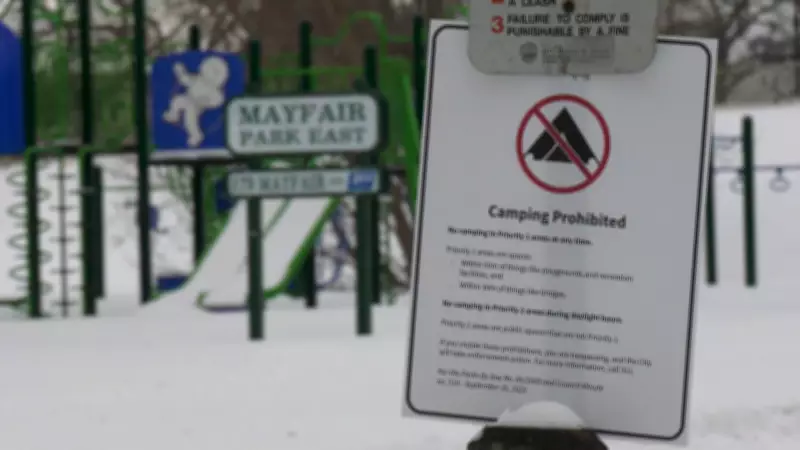
The situation at former encampment sites, like the one on Mayfair Avenue where city signage now stands, illustrates the ongoing nature of this issue. While some locations have been cleared, the combination of persistent homelessness and extreme weather creates a dynamic problem that requires nuanced solutions beyond simple enforcement.
Broader Context of Urban Homelessness
Winnipeg's encampment challenges occur within a larger national conversation about homelessness and housing insecurity. The city's experience with weather-related enforcement delays mirrors difficulties faced by other Canadian municipalities during winter months, though Winnipeg's particularly harsh climate presents unique obstacles.
As temperatures remain low, city officials continue to coordinate with social service agencies to provide warming centers and emergency shelter options. However, the gap between available resources and actual need remains a persistent concern, with encampments representing visible manifestations of systemic housing issues.
The slowed enforcement progress underscores how environmental factors can directly impact municipal policy implementation. Winnipeg's experience demonstrates that effective homelessness response requires strategies adaptable to seasonal variations, particularly in regions with extreme winter weather patterns.