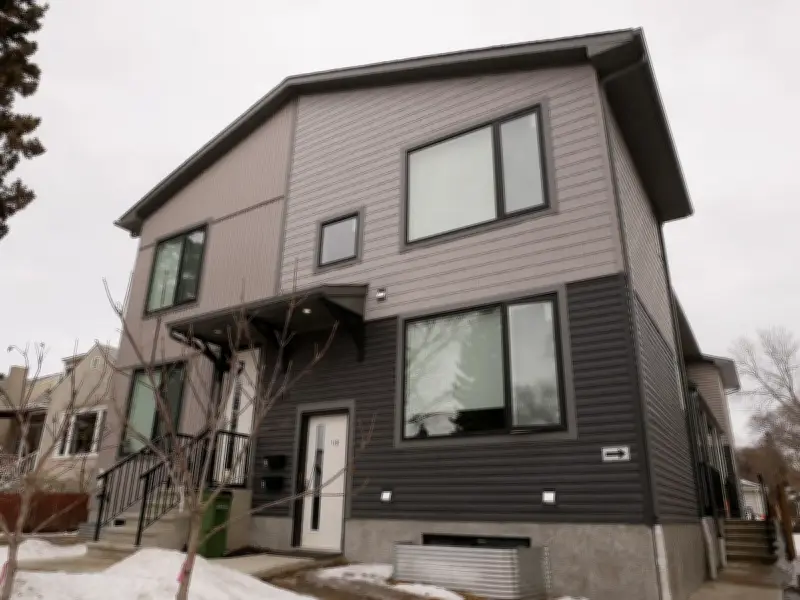
Edmonton city council will consider new regulations for lodging houses after the Urban Planning Committee heard concerns from homeowners and developers about ambiguous rules that make enforcement difficult. The proposed changes include limiting sleeping units to 8-12 per lot, reducing minimum bedrooms to three, requiring a specific permit, and a 12-hour minimum rental period.
Committee hears from stakeholders
On Thursday, the Urban Planning Committee heard from BILD Edmonton Metro vice-chair Marty Pawlina, who said some landlords are exploiting city zoning laws to operate lodging houses, upsetting homeowners. However, committee chairwoman Ward O-day'min Coun. Anne Stevenson noted the proposed changes may not fully resolve the issue.
“Lodging housing has demonstrated to be a really effective option for students,” Stevenson said. “(But it’s) so incredibly hard to nail down — it really comes down to does someone have a lock on their bedroom door or not.”

Stevenson emphasized that lodging houses meet a significant community need, not just for students but also for patients in Edmonton for medical purposes. “It is meeting a significant need in the community. As long it’s done in a way that ensures safety.”
Proposed regulatory changes
Council will discuss administration recommendations later this month. Key proposals include not permitting lodging houses within row housing or multi-unit housing units, capping sleeping units at 8 to 12 per lot depending on zoning, reducing the minimum number of bedrooms to three, and requiring a specific lodging house permit. A minimum rental timeframe of 12 hours is also suggested.
BILD Edmonton Metro vice-president Stephen Raitz supported the proposals. “These were surgical amendments,” he said. “They did their homework.”
Current definition and enforcement challenges
Lodging houses are defined as buildings with four or more bedrooms rented individually. Business licences vary by rental duration (up to 30 days or more). Since 1996, the city has approved 134 lodging house development permits. They are distinct from Airbnbs or Vrbos.
Enforcement is difficult due to ambiguous regulations. “There’s a real lack of clarity in terms of what is a lodging house,” said Jan Hardstaff of the Residential Infill Working Group. “You can end up with 32 bedrooms and many of those could be lodging units. The city then has to come out and do enforcement after the building is built. If it was considered an actual lodging house, there would be greater fire safety standards.”
Broader impacts and uses
Issues from lodging houses include increased activity, traffic, and parking congestion, as well as using suites that could serve other housing needs. However, they also serve as transitional housing for individuals relocating to Edmonton, getting back on their feet, or evacuated from wildfires.