Edmonton Council Revisits Infill Policies Amid Growing Controversy
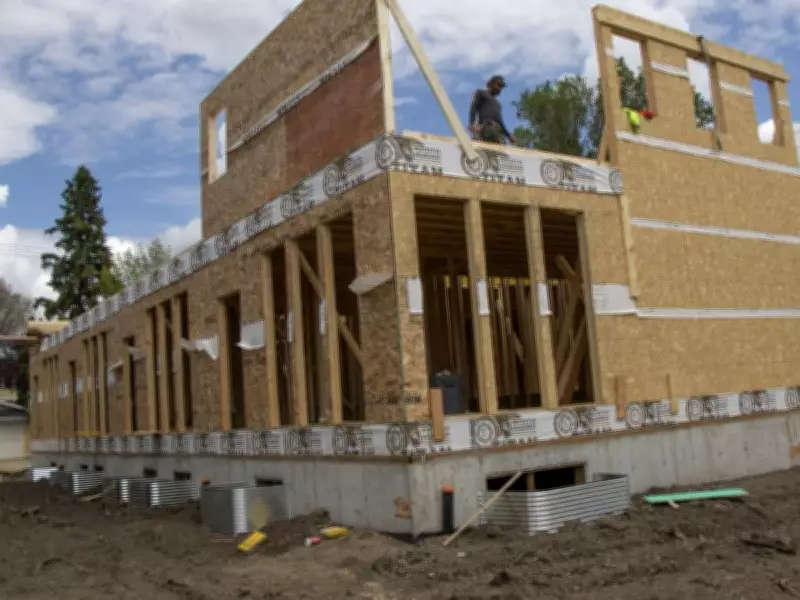
Next Tuesday, Edmonton City Council will reconvene to address the contentious issue of infill housing, specifically focusing on whether to continue permitting the construction of eight-unit multiplexes on small lots within mature neighborhoods. This debate comes as the city grapples with balancing housing affordability against community preservation and environmental sustainability.
Proposed Changes to Development Regulations
Earlier this week, city administration presented recommendations to the urban planning committee, suggesting a reduction in the maximum number of suites for mid-block developments from eight to six. Additionally, they proposed increasing the required yard space per unit, which could effectively limit many projects to just four suites, particularly on smaller lots. However, the committee failed to reach a consensus, leaving the decision to the full council during its upcoming sessions on Tuesday and Wednesday.
Key concerns raised by critics include the visual impact of these structures, loss of privacy for adjacent homeowners, and practical issues such as increased street parking congestion, removal of mature trees, and clutter from garbage bins. As one resident noted, "Could you relax in your yard when third-floor residents in an eight-plex beside you can peer down at your patio and garden?"

Divergent Perspectives on Infill Housing
The discussion has polarized stakeholders into two camps: pragmatists and advocates, often labeled as fantasists by opponents. Dallas Moravec, representing Edmonton Neighbourhoods United, emphasized that the problem lies in the massing and volume of these buildings, arguing that without limits on dimensions, the core issues will persist.
On the other side, proponents like Jacob Dawang of Grow Together Edmonton argue that reducing multiplex limits would reverse progress toward a more affordable and environmentally sustainable city. They contend that such infill is necessary to provide housing options beyond single-family homes, preventing urban sprawl and supporting density goals.
Historical Context and Future Implications
This debate stems from a development bylaw enacted two years ago, which some council members now view as a colossal mistake. Critics urge the council to acknowledge errors and prioritize neighborhood integrity over hyper-density. A public hearing scheduled for April 7 will further explore these tensions, with outcomes potentially reshaping Edmonton's urban landscape and housing market dynamics.
As the city moves forward, the balance between pragmatic community concerns and visionary urban planning will be crucial in determining the future of infill development in mature areas.