Saskatoon's Elm Wood Disposal Initiative Doubles Volume Amid Dutch Elm Disease Surge
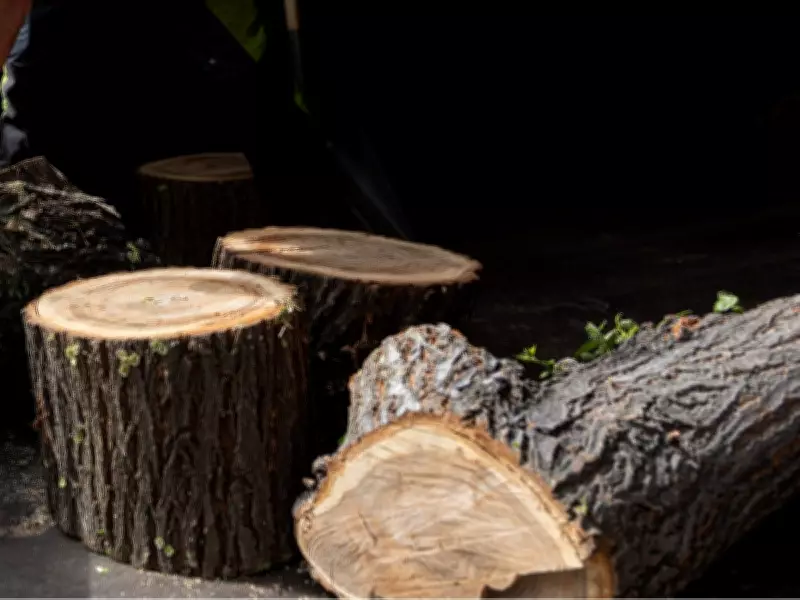
A recent city report reveals that Saskatoon's efforts to waive disposal fees for elm wood at the landfill have led to a significant increase in material processed, with volumes doubling from 2024 to 2025. This initiative, however, has created unexpected financial pressures for municipal authorities.
Disease Outbreak Drives Disposal Demand
The dramatic increase in elm wood disposal coincides with a troubling surge in Dutch elm disease cases throughout Saskatoon. According to official data, there were 41 confirmed cases in 2025, representing a nearly fourfold increase from the 11 cases documented in 2024. This marks a substantial escalation from the mere four cases reported in 2023.
The city's environment, utilities and corporate services committee addressed these developments during their Tuesday meeting, where administration officials disclosed a total overspending of $168,000 related to the disposal program.

Budgetary Challenges and Program Costs
City administrators based their 2026-27 budget projections on managing approximately 1,000 tonnes of elm wood annually, equating to roughly $166,000 in entrance and tonnage fees. However, the actual volume processed last year reached nearly 2,000 tonnes, creating significant budgetary strain.
The total cost of disposal initiatives in 2024 and 2025 reached $318,800, substantially exceeding the $150,000 originally budgeted for these efforts. To address the $168,000 shortfall, administration has recommended reallocating $125,200 from the waste reduction initiatives capital project and $43,600 from the urban forestry and pest management capital reserve.
Public Awareness and Behavioral Shifts
A comprehensive waste and recycling survey conducted last year, involving approximately 1,000 residents, revealed important shifts in public understanding and behavior regarding Dutch elm disease management. When compared to a similar 2022 survey of about 350 residents in elm-dense neighborhoods, the data shows:
- Increased awareness that burning elm firewood is illegal
- Better understanding that elm wood cannot be stored and must be immediately disposed of at the landfill
- Knowledge that elm wood must be separated from other materials when dropped off to qualify for fee waivers
However, the survey also identified areas where public knowledge has stagnated, including regulations governing when elm trees can be pruned throughout the year and restrictions on transporting elm wood into the city. Elm tree pruning is prohibited in Saskatchewan between April 1 and August 31 to prevent disease spread.
Implementation Challenges and Future Solutions
While fewer residents cited disposal costs or the volume of elm wood as barriers to proper disposal, the city identified new challenges. Some residents lack access to vehicles capable of transporting elm wood to the landfill, and there has been an increase in improper disposal through garbage bins and green carts.
In response, Saskatoon is developing a bulky waste pilot project—a pickup program for large items. Administration officials are working to determine whether this program can meet the rapid pickup times necessary for effective elm wood disposal. The program could potentially launch later this year, though it would not initially be specific to elm wood disposal.
Strategic Shift in Disease Management
The city has fundamentally changed its approach to Dutch elm disease management, moving away from prevention strategies in February and adopting active mitigation measures to slow the disease's spread. This strategic shift reflects the growing urgency of the situation as disease cases continue to multiply throughout the community.
As Saskatoon grapples with both the environmental challenge of Dutch elm disease and the financial implications of its disposal program, city officials continue to seek balanced solutions that protect urban forestry while maintaining fiscal responsibility.