Former Winnipeg Bureaucrat Testifies at Police Headquarters Inquiry
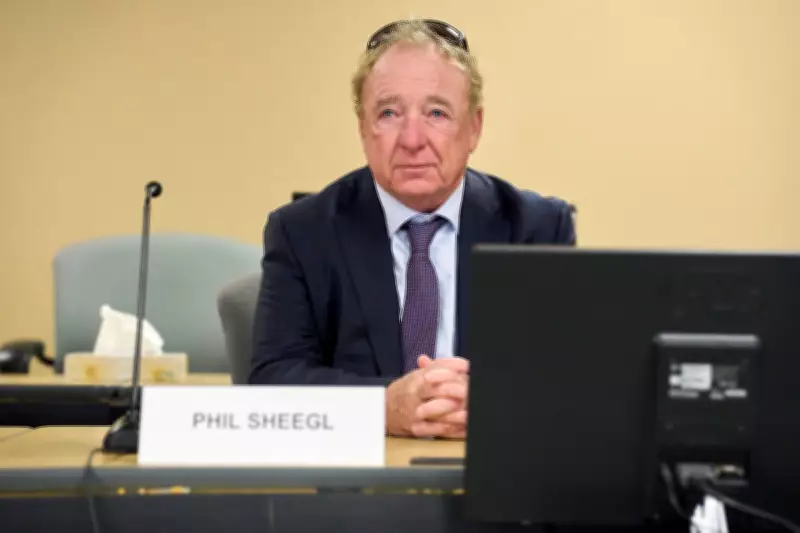
Phil Sheegl, the former chief administrative officer for the City of Winnipeg, appeared before a public inquiry on Tuesday, February 17, 2026, to address questions regarding his interactions with a company bidding on the Winnipeg police headquarters building project. The inquiry, held at the Public Utilities Board offices, focused on Sheegl's meetings and email communications with the contract bidder during the procurement process.
Sheegl's Defense of Professional Conduct
During his testimony, Sheegl defended the nature and frequency of his communications, stating that all interactions were within the bounds of standard municipal procedures and ethical guidelines. He emphasized that his role required engagement with various stakeholders, including potential contractors, to ensure the project's feasibility and alignment with city objectives.
"My actions were always in the best interest of Winnipeg and its residents," Sheegl asserted, highlighting that the communications were part of a transparent process aimed at securing a qualified bidder for the significant infrastructure project.

Context of the Inquiry
The inquiry into the police headquarters project was launched to investigate potential irregularities in the contracting and construction phases, which have faced public scrutiny over costs and timelines. Sheegl's testimony is a key component, as his position involved oversight of city operations and procurement during the project's initial stages.
Questions from inquiry officials centered on whether Sheegl's communications could have influenced the bidding process or provided unfair advantages. In response, Sheegl detailed the following points:
- All meetings were documented and followed established city protocols.
- Email exchanges were related to project specifications and clarifications, not preferential treatment.
- The bidder in question was one of several entities engaged during the procurement phase.
Broader Implications for Municipal Governance
This case underscores ongoing concerns about transparency and accountability in municipal contracts, particularly for high-profile projects like the police headquarters. The inquiry's findings could lead to recommendations for stricter oversight and revised communication policies to prevent conflicts of interest in future procurements.
As the inquiry continues, additional witnesses and evidence are expected to shed light on the full scope of the project's management and decision-making processes.