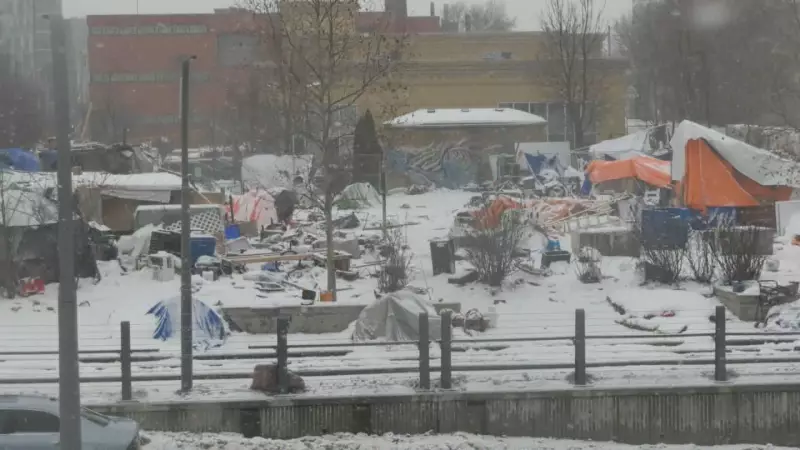
Tensions ran high in the council chambers of Waterloo Region on Thursday, January 8, 2026, as delegates delivered passionate and often frustrated statements regarding proposed amendments to the region's encampment bylaw. The emotionally charged meeting highlighted the deep divisions within the community on how to address homelessness and the use of public spaces for temporary shelter.
Delegates Voice Frustration and Concern
The session, reported on by CTV's Spencer Turcotte, saw a series of delegates from various community groups and advocacy organizations step forward to weigh in on the controversial policy. Speakers shared personal stories and stark criticisms, arguing that the proposed bylaw changes could further criminalize vulnerability and fail to address the root causes of homelessness. The atmosphere grew heated as delegates challenged council members to consider the human impact of the regulations.
The proposed amendments seek to clarify where and under what conditions unsheltered individuals can set up temporary encampments on public land. Proponents argue the rules are necessary for public health and safety, while opponents claim they disproportionately target a population with nowhere else to go.

The Core of the Debate
At the heart of the debate is a fundamental conflict between maintaining public order and upholding the rights and dignity of unhoused residents. Delegates opposing the amendments stressed that without a significant increase in affordable housing and shelter spaces, any bylaw restricting encampments is effectively punishing people for being poor. Others expressed concerns from residents and businesses about encampments in parks and near community facilities.
The regional councillors listened to the delegations, who urged them to reject the amendments and instead invest more heavily in housing-first solutions and support services. The date of the meeting, January 8, 2026, marks a critical point in the region's ongoing struggle to develop a compassionate yet practical homelessness strategy.
What Happens Next?
Following the public input session, the proposed bylaw amendments will return to regional council for further discussion and a potential vote. The intense reactions from delegates are likely to weigh heavily on the deliberations. Council must now balance community concerns, legal obligations, and the urgent need for a workable policy framework.
The outcome of this decision will set a precedent for how Waterloo Region manages public spaces and supports its most vulnerable citizens in the years to come. The region joins a growing list of Canadian municipalities grappling with similar difficult decisions amid a nationwide housing crisis.