LaSalle Council Cleared by Ombudsman in Closed Meeting Investigation
The Windsor Ombudsman has officially cleared the LaSalle council of any wrongdoing following a thorough investigation into a closed meeting held by the municipal body. The decision, announced on March 18, 2026, concludes that the council adhered to all proper procedures and legal requirements during the session in question.
Investigation Findings and Procedural Compliance
According to the ombudsman's report, the closed meeting was conducted in full compliance with Ontario's Municipal Act and local bylaws. The investigation reviewed meeting minutes, council communications, and witness statements to determine that the topics discussed fell within the permitted exceptions for closed sessions, such as legal matters, property transactions, or personal privacy issues.
The ombudsman emphasized that transparency and accountability are paramount in municipal governance, but found no evidence of procedural violations in this instance. The report notes that the council provided adequate notice of the closed meeting and properly documented the reasons for excluding the public, as required by law.

Context and Community Implications
This ruling comes amid ongoing public scrutiny of municipal transparency across Ontario. Closed meetings, while sometimes necessary for sensitive discussions, often attract community concern regarding governmental openness. The LaSalle case highlights the balance councils must strike between operational efficiency and public trust.
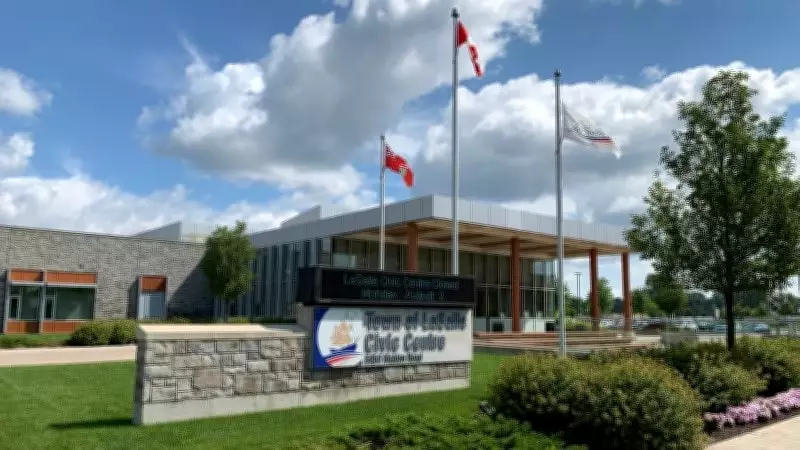
The Civic Centre in LaSalle, Ontario, has been the site of numerous council deliberations over the years. This investigation reaffirms the importance of robust oversight mechanisms, such as the ombudsman's office, in maintaining integrity in local politics. Residents can be assured that their elected officials are subject to independent review when questions arise about meeting practices.
Broader Political Landscape
The clearance of LaSalle council occurs within a wider political context, including budget discussions in Quebec, federal investments in munitions factories, and provincial premier approval ratings. While these national issues dominate headlines, local governance matters like this one directly impact community confidence and municipal operations.
As municipalities across Canada navigate complex issues—from infrastructure spending to environmental policies—the LaSalle case serves as a reminder of the critical role oversight bodies play in ensuring adherence to democratic principles. The ombudsman's findings provide a clear precedent for how closed meetings should be conducted and reviewed in the future.