London City Hall's Redaction of Councillor's Letter Sparks Transparency Concerns
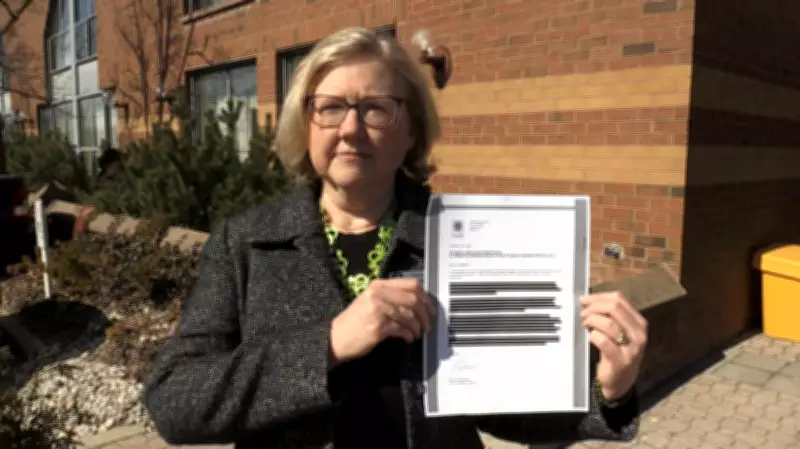
In a move that has raised eyebrows across London's political landscape, City Hall has heavily redacted a letter written by a councillor to fellow City Councillors. The incident, reported by CTV London's Daryl Newcombe, centers on a communication from Councillor Stevenson, which was significantly censored before distribution, leaving many to question the motives behind such secrecy.
The redacted letter, intended for internal review among council members, has ignited a debate over governmental transparency and accountability. According to sources, the document contained sensitive information that City Hall officials deemed necessary to withhold, though specific details remain undisclosed. This action comes amid ongoing public scrutiny of municipal operations, with critics arguing that such redactions undermine trust in local governance.
Investigating the Reasons Behind the Censorship
Daryl Newcombe's investigation delves into the potential reasons for the redaction, exploring whether it relates to confidential policy discussions, legal matters, or internal disputes. City Hall has yet to provide a comprehensive explanation, citing standard protocols for handling sensitive materials. However, transparency advocates emphasize that in a democratic society, the public has a right to understand the decision-making processes of their elected officials, especially when it involves communications between councillors.

This incident is not isolated; it reflects broader tensions between privacy concerns and the need for open government. In recent years, similar cases have emerged in other Canadian municipalities, highlighting a national conversation about balancing security with accessibility. The redaction of Stevenson's letter may set a precedent for how London handles future disclosures, potentially impacting public perception and engagement.
Implications for London's Political Climate
The fallout from this redaction could have significant repercussions for London's City Council. Councillors may face increased pressure to advocate for more transparent practices, while residents might demand greater oversight of municipal activities. As the story unfolds, it serves as a reminder of the delicate balance between operational confidentiality and democratic principles.
In conclusion, the heavy redaction of Councillor Stevenson's letter by London City Hall raises critical questions about transparency in local politics. With investigations ongoing, the community awaits further details to understand the full scope of this censorship and its impact on governance.