Montreal's Pothole Crisis: Innovative Solutions Exist, But Funding Falls Short
Montreal is grappling with a persistent and worsening pothole problem that plagues its roadways, causing frustration for drivers and damaging vehicles. Despite the availability of advanced technological solutions developed by local researchers, the city's financial limitations are preventing effective implementation, leaving many streets in a state of disrepair.
Research Offers Hope for Durable Roads
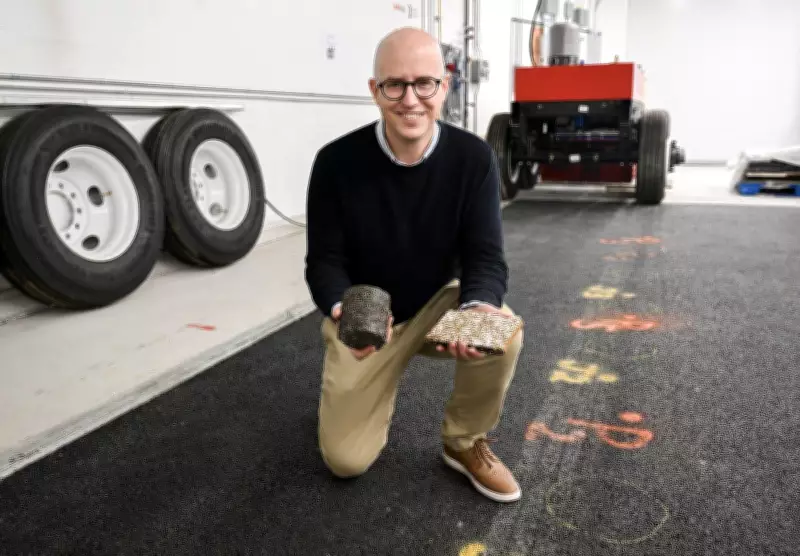
At the forefront of potential solutions is Alan Carter, a professor at the Ecole de technologie superieure (ETS) in Montreal. In his laboratory, Carter has developed innovative asphalt samples using an accelerated loading facility to simulate years of wear and tear in a condensed timeframe. His research focuses on creating more durable materials that could significantly extend the lifespan of roads and reduce the frequency of pothole repairs.
These lab-produced asphalt samples show promise in withstanding harsh weather conditions and heavy traffic, common factors that contribute to road degradation in Montreal's climate. Carter's work highlights how scientific advancements could transform urban infrastructure, yet it remains largely untapped due to budgetary constraints.

Financial Barriers Hinder Progress
The primary obstacle to addressing Montreal's pothole epidemic is a lack of municipal funding. City officials acknowledge that while solutions like Carter's research exist, the high costs associated with large-scale road repairs and material upgrades are prohibitive. This financial shortfall forces the city to rely on temporary fixes, which often fail to provide long-term relief and lead to recurring issues.
Without adequate investment, Montreal's infrastructure continues to deteriorate, impacting not only daily commutes but also economic activities and public safety. The situation underscores a broader challenge faced by many urban centers: balancing immediate needs with sustainable, cost-effective solutions.
Broader Implications and Community Concerns
The pothole problem in Montreal is part of a larger narrative of urban maintenance struggles. Recent incidents, such as parents in Montreal West calling for crossing guards after students were hit by a car, highlight how infrastructure neglect can have direct consequences on community well-being. Additionally, issues like snow clearance and parking availability further strain municipal resources, complicating efforts to prioritize road repairs.
Comparisons with other cities reveal similar challenges, but Montreal's unique climate and aging infrastructure exacerbate the issue. As temperatures fluctuate, roads expand and contract, leading to more cracks and potholes. This cyclical damage requires proactive measures, yet funding gaps persist.
Looking Ahead: Potential Paths Forward
To mitigate the pothole crisis, experts suggest exploring alternative funding models, such as public-private partnerships or increased federal grants for infrastructure projects. Emphasizing preventive maintenance could also reduce long-term costs by addressing problems before they escalate.
Community engagement is crucial, with residents and businesses advocating for better road conditions. By raising awareness and pushing for budgetary allocations, stakeholders can help drive change. However, without a concerted effort to secure financial resources, innovative solutions like those from ETS researchers may remain confined to laboratories, leaving Montreal's roads in a perpetual state of disrepair.