Orillia Council Votes Against Return of Controversial Monument
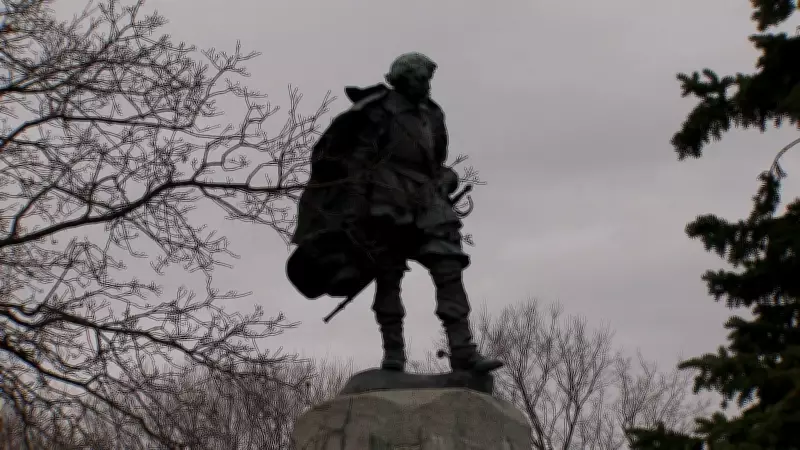
In a decisive move, the Orillia city council has voted against the reinstatement of the controversial Samuel de Champlain monument, which was removed from the city in 2017. This decision comes after years of heated debate and community discussions regarding the monument's historical significance and its impact on local values.
Background and Removal
The Samuel de Champlain monument, located in Orillia, Ontario, was originally erected to commemorate the French explorer. However, it became a focal point of controversy due to concerns over its representation of Indigenous peoples and colonial history. In 2017, the monument was removed following public outcry and calls for a more inclusive approach to public art and historical commemoration.
Since its removal, the monument has been stored, with periodic discussions about its potential return or replacement. The council's recent vote marks a significant step in this ongoing dialogue, reflecting a broader societal shift towards reevaluating historical symbols.

Council Decision and Rationale
During the council meeting, members debated the monument's future, weighing arguments from both supporters and opponents. Proponents of the monument argued for its historical value and role in Orillia's heritage, while opponents highlighted issues of cultural sensitivity and the need for public spaces that respect all community members.
Ultimately, the council voted against returning the monument, citing the importance of fostering a more inclusive and respectful environment. In their statement, council members emphasized that this decision aligns with efforts to address historical injustices and promote unity within the community.
Community Reactions
The vote has sparked mixed reactions among Orillia residents. Some applaud the council's decision as a progressive move towards reconciliation and social harmony, while others express disappointment, viewing it as an erasure of local history. Community groups have been actively involved in the discussions, with many advocating for alternative forms of commemoration, such as new public art projects or educational initiatives.
Local historians and Indigenous leaders have also weighed in, noting that the debate over the monument is part of a larger national conversation about how Canada commemorates its past. They suggest that this decision could set a precedent for other municipalities facing similar controversies.
Future Implications
With the monument not returning, the city of Orillia is now exploring next steps. Options under consideration include creating a new public art installation that better reflects the diverse history of the area or developing a museum exhibit to contextualize the Samuel de Champlain monument within a broader historical framework.
Council members have indicated that they will continue to engage with the community on this issue, seeking input on how to move forward in a way that honors history while promoting inclusivity. This process is expected to involve public consultations and collaborations with Indigenous communities.
The decision by Orillia council underscores the complex interplay between history, identity, and public space in modern Canada. As cities across the country grapple with similar debates, this vote highlights the ongoing challenges and opportunities in shaping a more equitable societal landscape.