In a development that has shocked few, residents of Ottawa have reported a noticeable and immediate increase in vehicle speeds following the removal of automated speed enforcement cameras. This change in driver behaviour, which many predicted, has reignited a critical debate about urban road safety and the tools needed to protect communities.
A Policy Backward Step for Road Safety
Brigitte Pellerin, in an opinion piece published on January 5, 2026, argues that Ontario has positioned itself as a global outlier by taking deliberate steps to reduce road safety. The provincial decision to remove speed cameras, she contends, sends a tacit message to drivers that exceeding limits is permissible. The consequence, as observed on streets like King Edward Avenue, is that motorists began accelerating as soon as the camera removal was announced.
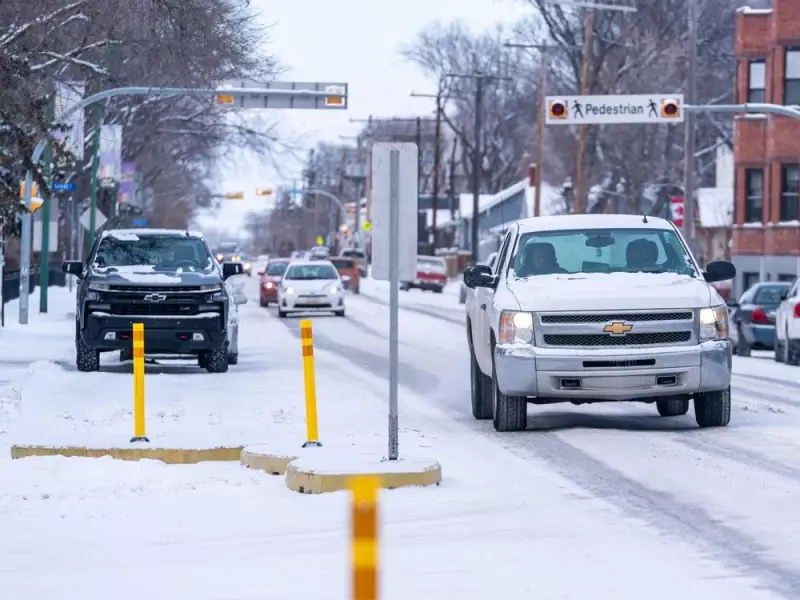
King Edward Avenue presents a multifaceted challenge, serving as a major interprovincial route for large trucks traveling between Highway 5 in Quebec and Ontario's Highway 417. Residents interviewed by the CBC confirmed the swift return of speeding, a trend Pellerin describes as entirely foreseeable. She places accountability squarely on Premier Doug Ford for the foreseeable injuries and fatalities that may result from this policy shift.

Grassroots Action and the Limits of Provincial Control
Faced with a provincial government perceived as hostile to active transportation, some citizens have considered creative protests like "speed camera parties" to shame offenders. However, Pellerin is skeptical of their efficacy, noting that speeding drivers are often dangerously unaware of their surroundings.
Her more radical proposal involves rethinking the constitutional distribution of power. She suggests that provinces, conceived for a predominantly rural 19th-century population, are ill-suited to govern modern, urban-centric Canada. Pellerin believes cities like Ottawa should have the autonomous authority to implement safety measures—such as protected bike lanes and traffic-calmed streets—that directly benefit their residents, free from interference by non-resident politicians.
The Engineering Solution: Designing Roads That Discourage Speed
Recognizing that constitutional reform is a long-term endeavour, Pellerin advocates for an urgent, practical alternative: redesigning the physical environment of streets themselves. The core of the problem, she explains, is that many urban roads are engineered to feel safe at high speeds.
Wide, straight, and unobstructed lanes inherently encourage drivers to go faster. On such roads, adhering to the posted speed limit can feel unnaturally slow. Instead of reinstating cameras, Pellerin champions a design-focused approach. The solution lies in implementing traffic calming infrastructure like curb extensions, roundabouts, and most importantly, narrower streets. These features create a visual and physical perception of constraint, making speeding feel instinctively unsafe and unnatural to the driver.
This method addresses the root cause rather than merely penalizing the symptom. By altering the driver's experience of the road, cities can proactively encourage compliance with speed limits, ultimately creating safer spaces for all road users, including pedestrians and cyclists.