Ottawa Launches Public Survey on Bubble Zone Bylaw and Demonstrations
The City of Ottawa has initiated a comprehensive public survey to assess community sentiments regarding its bubble zone bylaw, a regulation designed to manage demonstrations near sensitive locations. This move aims to gather direct feedback from residents on how the bylaw impacts their feelings and experiences related to public protests and gatherings.
Understanding the Bubble Zone Bylaw
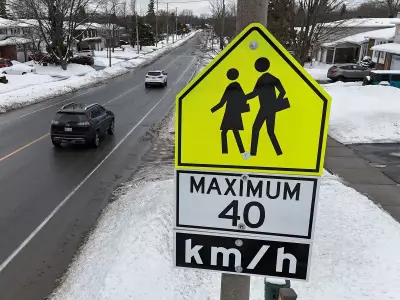
The bubble zone bylaw establishes specific boundaries around certain facilities, such as healthcare centers and schools, where demonstrations are restricted or regulated to ensure safety and minimize disruptions. This policy has been a topic of ongoing debate, balancing free speech rights with the need to protect vulnerable individuals and maintain public order.
Key aspects of the bylaw include:

- Defining prohibited areas for protests near sensitive sites.
- Setting guidelines for permissible demonstration activities.
- Outlining enforcement mechanisms to address violations.
Purpose of the Public Survey
The survey seeks to understand how Ottawa residents perceive the effectiveness and fairness of the bubble zone bylaw. By collecting data on public feelings, the city hopes to inform potential adjustments to the regulation, ensuring it aligns with community values and practical needs. This initiative reflects a broader effort to engage citizens in municipal decision-making processes.
Officials emphasize that the feedback will be crucial in evaluating whether the bylaw adequately addresses concerns while respecting democratic freedoms.
Community Impact and Broader Context
Demonstrations in Ottawa have varied widely, from peaceful rallies to more contentious events, highlighting the importance of clear regulations. The bubble zone bylaw was implemented to prevent harassment and ensure access to essential services, but it has sparked discussions about its scope and implementation.
This survey comes at a time when cities across Canada are reevaluating similar policies in response to evolving social dynamics. The results could influence not only local governance but also set precedents for other municipalities dealing with demonstration management.
Residents are encouraged to participate in the survey to voice their opinions and contribute to shaping the city's approach to public demonstrations.